
oldmanplayphone

HuaHin Senior Living Advice: Finding the Ideal Neighborhood in Hua Hin

Welcome to an in-depth exploration of everything you need to know about discovering an ideal Hua Hin neighborhood for retirement or long-term residence. Thailand stands out as a top choice for retirees, digital nomads, and families seeking a sunny lifestyle in a relaxed coastal environment. Yet choosing the right area can be challenging. Consequently, this comprehensive guide is here to help you navigate essential factors such as amenities, healthcare, local culture, and safety. Indeed, Hua Hin’s comfortable vibe draws in folks who want modern conveniences nestled beside palm-fringed shores. However, there is more to uncover about how to pick the best district suited to your personal needs.

In the paragraphs below, we will discuss property types, daily living expenses, social connections, transportation, and security. We will also integrate helpful resources from local and national sources to keep you informed. Furthermore, you can explore internal links to additional articles, partner services, and valuable external references for deeper reading. This way, your desire to find an ideal Hua Hin neighborhood is well-supported by facts, expert opinions, and real-life testimonials. Let’s dive in!

young digital nomad working
Lady sitting with a notebook and working (Photo by: Anna Nekrashevich)

1. Why Location Matters for a Comfortable Retirement

First impressions often shape how content we feel settling in a new place. Therefore, where you choose to live can influence your quality of life. An ideal Hua Hin neighborhood includes easy access to healthcare facilities, varied dining options, social venues, and serene spots for relaxation. Similarly, local infrastructure such as roads and public transport may affect your independence. As you explore neighborhoods, ensure that you align your personal preferences and budget with practical considerations. After all, a fantastic beach view will not mean much if you are cut off from daily necessities.

Hua Hin’s popularity among retirees has soared because it strikes a harmonious balance between traditional Thai charm and modern conveniences. For instance, many neighborhoods boast international grocery stores, well-regarded hospitals, and high-quality golf courses. Meanwhile, a gentle coastline shapes the city’s identity and offers daily rejuvenation for beach lovers. About Haussmann Legal highlights how foreign residents often seek clarity on local regulations and real estate laws before moving. Hence, choosing a suitable district can also be a stepping stone to easy legal compliance.

In fact, many aspiring retirees or part-time residents are already familiar with the concept of securing their valuables. For that, FAQ about Asian-Secure’s Private Vaults outlines how individuals living in different parts of Hua Hin can reliably protect their important documents and sentimental items. From property deeds to precious jewelry, these storage solutions keep your prized belongings safe, regardless of your chosen neighborhood.

foreign founder success
Young Man smiling at work sitting on his desk (Photo by: Olly)

2. Key Considerations for Selecting Your Ideal Hua Hin Neighborhood

However, many people still struggle to figure out where to settle down. Even though the city offers varied districts, not all might suit your lifestyle. Therefore, keep these crucial points in mind when narrowing down your options:

  • Proximity to Healthcare: Retirees and families benefit from short travel times to hospitals and clinics.
  • Cost of Living: Some districts are pricier due to their beachside location or upscale developments, so do careful budgeting.
  • Community Feel: Look for areas with robust expat or local communities if you value social interaction.
  • Transport Links: Being close to main roads or public transport can make errands and appointments much easier.
  • Leisure & Recreation: Golf courses, beaches, gyms, and cultural sights can shape your daily activities and social life.

For further guidance on retirement or extended stays, see our Thailand Retirement Visa Insights. Indeed, understanding the steps for obtaining the correct visa type ensures you can enjoy your daily routine without disruptions. Meanwhile, our services at Haussmann Legal range from visa consultations to property advice, bridging gaps for those eager to embrace a peaceful Hua Hin life.

Additionally, if you consider traveling frequently to other parts of Thailand, you might prefer a neighborhood closer to major bus stations or train routes. For example, Deposit Boxes Hua Hin for Expats and Tourists references how travelers can store valuables while enjoying domestic trips. Access to safe deposit services fosters worry-free getaways, and it’s even more convenient if the facility is just a short drive away from your home base.

2.1. Trustworthy Legal and Financial Guidance

Staying informed about local regulations is essential for a smooth transition to your ideal Hua Hin neighborhood. For instance, Hua Hin Senior Living Advice articles often mention how retirees can secure legal documents, manage taxes, and handle property ownership, especially if they are not Thai nationals. That said, you do not have to venture into this journey alone. By consulting reputable sources like the Thai Embassy and the Thailand Ministry of Commerce, you can verify relevant laws about foreign property rights and business opportunities.

Likewise, the Legal News section on our website keeps you updated on changing regulations. Should you decide to manage partial business ventures while retired, exploring sites like SME Thailand or Asia Business Daily helps you assess potential entrepreneurial paths. Despite focusing on retirement, some expats prefer small-scale commerce or investment to keep themselves occupied and financially secure.

often spark new idea
Young People working together in a coworking space (Photo by: Kindelmedia)

3. Budgeting for Your Ideal Hua Hin Neighborhood

Budgetary considerations can make or break your plans. On the positive side, Hua Hin remains more affordable than other Thai destinations like Phuket or central Bangkok. Nonetheless, monthly expenses can vary significantly. It depends on whether you rent a modern condo with ocean views or purchase a house within a local community. Furthermore, electricity rates, grocery costs, and transportation fees can influence how comfortably you live.

For instance, taking public transport might be cheaper than owning a car in Thailand. However, if you choose an outlying suburb far from the busier center, a personal vehicle or motorbike might become essential. This scenario often leads to increased monthly spending. You can check official guidelines on obtaining a Thai driving license from the Ministry of Labour and traffic regulations from the Bank of Thailand site, which occasionally covers broader topics like vehicle financing. Though it may seem unusual, these official resources sometimes provide relevant data for long-term residents planning to purchase vehicles.

Aside from day-to-day costs, safeguarding assets is equally important. If you hold valuable documents like land titles or financial statements, partner services from Asian-Secure can offer peace of mind. We encourage exploring pricing of Asian-Secure to manage your valuables responsibly. Indeed, your new neighborhood in Hua Hin feels far more comfortable once you know your important items are protected.

3.1. Monthly Living Expenses in Hua Hin

The following table outlines approximate costs you might encounter when living in an ideal Hua Hin neighborhood. Keep in mind, these numbers can vary based on lifestyle, location, and personal choices.

Expense Category Expense Category Notes
Rent (1-Bed Condo)
15,000 – 30,000
Depends on proximity to beach & modern facilities
Utilities
2,000 – 4,000
Higher if aircon is used extensively
Groceries
6,000 – 10,000
Local markets are cheaper than supermarkets
Eating Out
4,000 – 8,000
Street food vs. restaurants can differ a lot
Transport
1,500 – 5,000
Includes bus, shared taxi, or private vehicle fuel
Leisure & Activities
3,000 – 10,000
Golf, beach clubs, gym memberships, day trips
Total (Estimate)
31,500 – 67,000
Flexible based on lifestyle and location

For retirees who want more guidance on financial planning, the Maximize Pension Hua Hin article helps you identify potential strategies for sustaining a comfortable lifestyle. In addition, the Haussmann Legal Partner Network can connect you with specialized advisors. They assist with banking, taxes, and ensuring that your income streams align with Thai regulations.

You might wonder why some households keep valuables in secure vaults rather than at home. The reason is straightforward: peace of mind. Whether you are storing gold bars or essential personal documents, reviewing bank deposit box vs. private vault comparisons can shed light on the best approach. Indeed, certain neighborhoods might have limited direct access to bank branches, which makes an independent vault service more appealing.

pink1 kid2
Retiree with help doing the garden (Photo by: Kampus)

4. Culture and Community in Hua Hin

Without a doubt, a community that resonates with your interests can enrich your life. Many retirees and part-time residents prefer neighborhoods packed with friendly people, convenient shops, and local experiences. That is one reason Hua Hin fosters a robust community atmosphere. Locals and foreigners come together for charity events, cultural festivals, and weekend markets. Although you might relish the calmness of a suburban enclave, do consider how often you plan to socialize.

Moreover, social clubs are quite popular here. You can join a yoga group, attend cooking classes, or frequent art gatherings. By referencing external sites like the Thai Chamber of Commerce, you can unearth networking opportunities and small-business events. Although seniors might be done with the hustle of full-time work, casual socializing can still keep the mind sharp and the heart happy.

4.1. Special Amenities for Senior Residents

Certain neighborhoods cater more directly to older residents. They may feature properties with ramps, wide doorways, and emergency call systems. Some even have on-site clubs for social gatherings or communal pools for relaxation. Further, you could find homes near hospitals like Bangkok Hospital Hua Hin or specialized clinics that offer geriatric care. Checking official information from the Thai Customs Department may not seem immediately relevant, but knowing official processes for shipping personal belongings and healthcare equipment is helpful for some retirees who relocate permanently.

Besides that, medical insurance plays a big role in guaranteeing peace of mind. Our partners at Asian-Secure can discuss coverage options for various medical needs. Indeed, security services often pair with thorough insurance plans to safeguard finances, property, and personal possessions. Meanwhile, Retiree Healthcare Options Explored provides more background on selecting the right insurance package in Thailand. If you prefer independence, keep an eye out for neighborhoods that are close to these critical facilities.

oldcouple
Retiree Couple happy to live in Hua Hin (Photo by: Kampus)

5. Healthcare and Safety in Your Chosen Neighborhood

Staying healthy and safe is paramount. Fortunately, Hua Hin is home to several reputable hospitals and clinics, including a local branch of the leading private hospital network in Thailand. Having easy access to urgent medical care can be crucial if you are an older adult or someone with preexisting conditions. Before deciding where to settle, confirm that your chosen district allows quick transport to healthcare centers. For official resources on what medical coverage and social security benefits you might be entitled to, see the Social Security Office website.

Another safety concern to keep in mind is storing valuable documents, like property deeds, passports, or financial statements. If you are renting or have frequent visitors, consider a safety deposit box insurance policy to protect your belongings. Ensuring they are locked away offsite can be particularly beneficial if your neighborhood experiences seasonal flooding or if you travel often. Indeed, the tranquility of an ideal Hua Hin neighborhood increases when you know your prized items are safe.

Additionally, simple community watch programs in suburban enclaves can be reassuring. Interacting with neighbors who look out for each other fosters a sense of belonging. Because of the rising population of expats, Hua Hin often sees social media groups or online forums that update locals about potential concerns and neighborhood activities. If you are an active retiree who wants to volunteer, you might also want to connect with local charities or the Thailand Business News site, which sometimes posts about philanthropic events and how business organizations support local communities.

6. Navigating Real Estate and Property Laws

Understanding property laws is vital, especially if you plan to invest in a house or condo. In Thailand, foreigners typically cannot own land outright. Yet they can own condominiums if foreign ownership quotas are not exceeded. The Statrys guide on setting up a company in Thailand might interest those looking to register businesses. While that might not be a direct retirement goal, some expats explore company structures for property purchases. However, always consult a lawyer to ensure compliance.

In addition, consulting the Department of Business Development (DBD) website can clarify the formalities of owning or leasing property through corporate entities. Although laws sometimes shift, official channels remain the best first step for accurate information. Meanwhile, the Haussmann Legal team offers on-the-ground support if you prefer personalized guidance. There is also a wealth of knowledge at Thailand Board of Investment (BOI) for potential business or investment directions that might tie into your retirement strategy.

Furthermore, the Hua Hin Legal Checkup article highlights key pitfalls for expats, ensuring that you maintain compliance with local regulations. For short-stay property solutions, choosing a rental or buying might depend on your comfort level, finances, and long-term plans. Always remember that an ideal Hua Hin neighborhood is one where your property ownership or leasing arrangement is both legal and convenient.
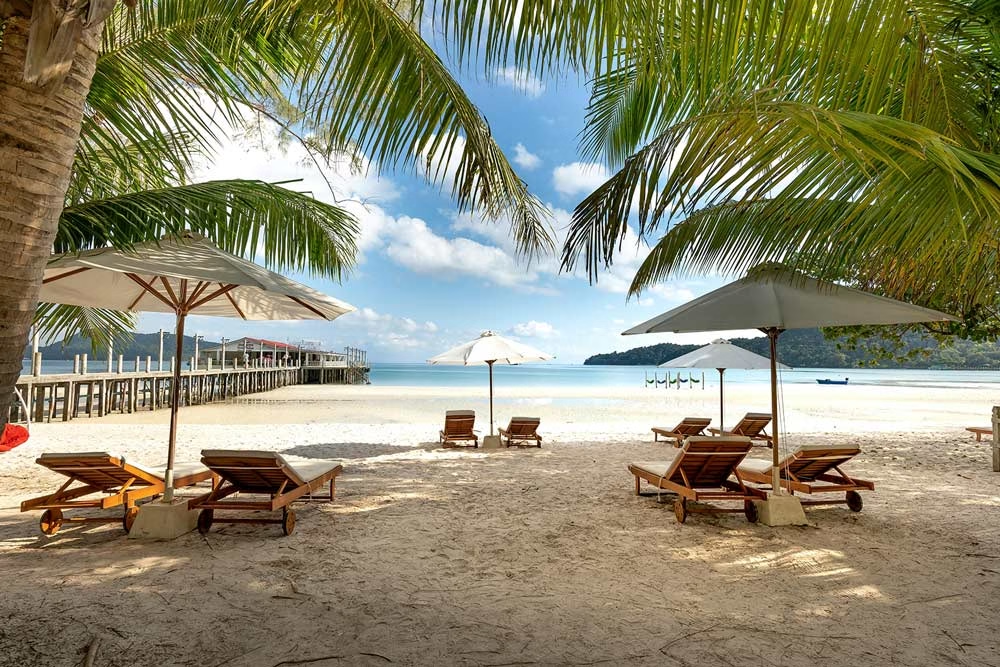
a serene spot
Relaxing Beach Location (Photo by: Quang Nguyen Vinh)

7. Transportation and Accessibility

Even though Hua Hin is not as large as Bangkok, ease of transport still matters. If you opt for an ideal Hua Hin neighborhood on the outskirts, make sure you have a dependable vehicle or public transport route. The local songthaews (converted pickup trucks) and tuk-tuks can help with short journeys. Nevertheless, these might not always be available late at night or in more remote locations. Ensure your daily routines—like grocery shopping, visiting friends, or heading to your favorite coffee shop—remain hassle-free.

If you are a part-time resident who frequently leaves Thailand, you might prefer living closer to main highways for easier access to Bangkok’s Suvarnabhumi Airport. Alternatively, you can review railway connections on official sites like the ASEAN Briefing, which covers infrastructure developments in the region. Efficient train routes allow you to hop between Bangkok, Hua Hin, and southern destinations. Indeed, such connectivity can be a game-changer if you anticipate frequent travel or family visits from abroad.

Moreover, local neighborhoods near the bus terminal or train station are popular among retirees who do not want the expense of car ownership. Keep in mind that local taxi or rideshare apps are available. Yet you should check whether your area is well-covered by these services. This aspect of convenience, combined with a peaceful environment, is what shapes an ideal Hua Hin neighborhood. With that said, always verify that your personal driving documents and vehicle insurance comply with local laws found on Thai Tax Authority pages or local transport guidelines to avoid fines.

8. Engaging Leisure Activities for a Fulfilling Lifestyle

Living in Hua Hin is about more than just relaxing on sandy shores. The region offers a diverse array of activities that can keep you physically fit and mentally stimulated. For golf enthusiasts, the city boasts multiple golf courses. Some of them rank among Thailand’s best. If you prefer water sports, you can try kitesurfing or paddleboarding along the coast. Meanwhile, the historical and cultural aspects, such as night markets and temples, provide an authentic Thai experience.

When planning your leisure routine, do not overlook your valuables. Moving around with pricey camera equipment or specialized gear for sports might raise storage concerns. Using crypto deposit boxes in Thailand or deposit boxes for digital nomads ensures that your items remain safe when you are out exploring. Furthermore, long-term gold or document storage solutions let you focus on enjoying your retirement rather than worrying about home security while away.

8.1. Cultural Immersion and Local Markets

Hua Hin has vibrant night markets like the popular Chatsila Market, teeming with street food, handicrafts, and live music. Delve into local culture by trying Thai cooking classes or learning basic Thai phrases. Engaging with local traditions enriches daily life and fosters deeper community connections. Meanwhile, official resources from the Bangkok Post Business Section sometimes highlight emerging small businesses or events in Hua Hin. These can be wonderful opportunities to shop locally and support artisans in your ideal Hua Hin neighborhood.

You might also appreciate the temples scattered around the region. Even if you are not particularly religious, these sites offer architectural beauty and cultural insight. The Royal Thai Embassy – Foreign Business Act Overview focuses more on business, but it can help you understand legal guidelines around participating in charitable temple projects or events, should you decide to volunteer your time.

enjoyonbeach
Retiree Couple chilling at the beach (Photo by: Kindelmedia)

9. Making the Decision: Rent or Buy?

Choosing to rent or buy property can significantly shape your experience. Renting offers flexibility, especially if you are unsure about committing to a specific neighborhood. On the other hand, buying can be a long-term investment if you plan to spend several years in Hua Hin. Yet the legal framework must be carefully navigated. For instance, foreigners often purchase condos rather than land. Additionally, certain neighborhoods have a higher concentration of foreign-owned condos, fostering an international atmosphere.

If you want a thorough overview, the Moving To guide on Thailand company registration provides insights into the legal intricacies. While it may be aimed at entrepreneurs, it also touches upon property ownership structures. Furthermore, the Protecting Retirement Funds Abroad article highlights potential pitfalls and how to avoid scams—vital reading for anyone concerned about the safety of a large financial transaction.

Still, do not forget the intangible benefits of living in an ideal Hua Hin neighborhood. Engaging neighbors, scenic views, and easy access to entertainment can significantly boost your happiness. Sometimes, renting in one area for a few months helps you learn whether it truly matches your long-term goals. If you decide it’s not the right fit, it is simpler to relocate.

10. Practical Steps Before Moving

Before finalizing your relocation, you should conduct thorough research and some onsite exploration. A few steps can streamline your transition into a cozy Hua Hin community:

  1. Visit in Person: Spend time in different districts to feel out their vibe, traffic patterns, and noise levels.
  2. Check Visa Requirements: Consult Long-Stay Visa Guides to ensure your paperwork is in order.
  3. Review Healthcare Options: Confirm which hospitals and clinics are nearby and what insurance plans they accept.
  4. Secure Your Finances: Research banks, remittance options, and consider reliable vault services like exploring safety deposit boxes to protect valuables.
  5. Legal Checks: Consult lawyers at Living Peacefully Hua Hin for local insights on property contracts or tax obligations.
  6. Community Engagement: Join local forums, social media groups, or attend events to make connections.

Additionally, read official data from the Thailand Industrial Standards Institute (TISI) on product standards if you are importing electronics or specialized health devices. Keep everything legitimate to avoid unnecessary complications. The Contact Page at Haussmann Legal can connect you with bilingual professionals who have helped many foreigners set up a comfortable life in Hua Hin.

11. Ensuring a Secure Future

Setting down roots in a foreign land requires caution and planning. When relocating to an ideal Hua Hin neighborhood, personal comfort, finances, and long-term security blend together. You deserve a life free from legal guesswork or logistical nightmares, which is why relying on reputable resources streamlines your journey. The Haussmann Legal offices across Thailand can serve as strategic checkpoints, especially if you want to compare Hua Hin with other potential locations like Bangkok or Pattaya.

Although safety deposit solutions at local banks might be limited in availability and have strict access hours, services like deposit boxes for part-time residents can solve these pain points. Indeed, the synergy between well-regulated legal structures and private vault providers ensures your documents and valuables stay protected. This synergy adds an extra layer of tranquility to your everyday life on the coast.

Considering that many retirees or semi-retirees are budget-conscious, do factor in all costs, from monthly rent or mortgage to periodic insurance premiums. Also, study the DBD guidelines if you expect to supplement your retirement income with part-time ventures. For a quick overview of local business trends, you can check out Thailand Business News. Doing so helps you remain updated on opportunities that might align with your skill set or investment goals.

online check
Young Women working online (Photo by: Olly)

12. Maintaining an Active Social Life

An ideal Hua Hin neighborhood encourages social engagement. Although some seniors prefer solitude, many others discover increased happiness through group activities and friendships. Regular meetups can range from language exchange classes to gardening clubs or local volunteering. You can also tap into local chapters of organizations that gather foreigners and Thais together for cultural understanding. For instance, the Thai Chamber of Commerce sometimes organizes community-building events that help newcomers expand their circle.

In addition, you might find it fulfilling to learn more about Thai traditions and history. Visiting temples, historical landmarks, and traditional Thai cooking schools can open doors to meaningful cultural connections. By immersing yourself in local life, you stand to gain intangible benefits that go beyond mere convenience. This sense of belonging can be an antidote to feelings of isolation some retirees experience. If you need more insights on adjusting to Thai culture, the Retirement in Thailand Basics article offers helpful pointers.

13. Making the Final Choice: Crafting Your New Chapter

Ultimately, your quest to identify an ideal Hua Hin neighborhood should revolve around personal interests, comfort, budget, and legal considerations. Some individuals crave ocean views and a tight-knit international community. Others prefer quieter inland areas with easy highway access. Regardless of preference, your final decision should align with your desired lifestyle for the next chapter of your life. Yet do not rush. Spend time researching, ask questions, and consult both local experts and official resources.

For an in-depth legal perspective on property investment, check the Royal Thai Embassy portal which breaks down the Foreign Business Act. Though geared towards business, it clarifies how foreigners can navigate ownership. Additionally, you might want to review the Complete Guide to Foreign-Owned Company Registration in Thailand by Emerhub if your retirement plan includes entrepreneurial ventures.

In essence, you have every reason to be excited. Hua Hin’s calm beaches, modern comforts, and warm local culture create a picturesque setting for a fulfilling retirement. Moreover, protective measures such as safe deposit boxes and reputable legal counsel ensure that your nest egg and personal documents remain secure. By doing your homework, leveraging local expertise, and tapping into the strong expat community, you can relish your golden years in Thailand without regrets.

retiree couple
Retiree Couple enjoying their time at the beach (Photo by: Kampus)

Conclusion: Embrace the Serenity of Hua Hin

Hua Hin’s charm extends beyond its pristine beaches. The city offers cultural richness, friendly communities, and valuable support systems for foreigners, especially seniors ready to retire. Choosing the right neighborhood, however, demands thoughtful reflection. Budget, legal frameworks, healthcare access, and lifestyle preferences must all align for you to find your ideal Hua Hin neighborhood. After all, the whole point of retiring by the sea is to elevate your quality of life in the best way possible.

Now that you have explored these essential insights, we suggest reaching out to Haussmann Legal if you need personalized advice, or browsing through the Legal News section for timely updates. Meanwhile, for anyone intending to store valuables or delicate assets, consider Asian-Secure and their specialized offerings. Whatever your plan is, remember that Hua Hin welcomes retirees with open arms. By choosing carefully, you can secure not only a comfortable residence but also a deeper sense of belonging in this remarkable coastal paradise.Old


oldcouple

Retiree Healthcare Options Explored: Hospitals, Insurance, and Costs

Exploring all healthcare options matters greatly when planning a fulfilling life in Thailand. Many foreigners journey to the Kingdom to enjoy warm weather and a lower cost of living, yet healthcare stands out as an essential consideration. This beautiful country offers various options for medical coverage, hospital access, and long-term care. However, it is imperative to get familiar with the entire healthcare ecosystem before deciding how to protect one’s well-being. In this comprehensive guide, you will discover insurance plans tailored to retirees, an overview of available hospitals, and potential expenses associated with treatment. Moreover, you will learn about specialized services and how Thailand’s medical infrastructure can accommodate different needs.

When individuals look for information, they often wonder if public hospitals will suffice or if private hospitals are the superior alternative. Furthermore, you might question whether your home insurance policy extends coverage overseas. Indeed, exploring these facets of healthcare will help you avoid financial pitfalls later. In addition, linking your retirement plans with well-informed medical decisions could pave the way toward an optimal lifestyle. Although traveling across Southeast Asia can be thrilling, it can also be risky if you do not have adequate coverage. Consequently, planning ahead becomes essential, especially for older expatriates seeking continuous medical support. Hence, let us dive into the details of Thailand’s healthcare system to help you make informed choices that ensure your peace of mind.

managingaboad
Retirees rely on technology and research to find the best healthcare solutions (Photo by: SHVETS Production).

Understanding Healthcare for Retirees in Thailand

Many retirees travel the globe, and Thailand often tops the list of preferred destinations. Indeed, the nation’s public healthcare infrastructure has evolved considerably. In large urban areas, such as Bangkok, you will find state-of-the-art facilities equipped with modern technology. Likewise, popular coastal cities, including Hua Hin, boast reputable hospitals catering to older foreign residents. Although the Thai government offers universal healthcare coverage to citizens, foreigners typically do not qualify for the same. Therefore, exploring private insurance policies or alternative coverage strategies becomes essential.

If you prefer government-run hospitals, you will be pleased to learn that the services are generally affordable. However, lines can be long, and English-speaking staff may be limited. Meanwhile, private hospitals can deliver faster services with more streamlined processes, though the costs tend to be higher. In either setting, you must understand your own medical needs, especially if you have chronic conditions. To gather more details on how foreign residents navigate the system, you might consult local publications and reputable websites. For example, the Thai Embassy can provide useful guidelines, and the SME Thailand portal often includes healthcare resources in broader economic overviews. Meanwhile, the Thailand Board of Investment shares general insights about the nation’s development, hinting at where advanced medical facilities might expand.

For individuals relocating to coastal areas, the Hua Hin Retirement Roadmap from Haussmann Legal can be helpful. This resource unveils budgeting strategies, local costs, and more. Moreover, our offices across Thailand can clarify specific regional distinctions, because healthcare access in Chiang Mai will differ from Hua Hin or Phuket. If you need further assistance, consider reaching out via our contact page to gain personalized guidance. Furthermore, diving into the complexities of coverage is paramount if you plan to stay for an extended period. To learn about various long-stay options, the Thailand Long-Stay Visa Guide outlines the basics of compliance, which also ties into healthcare prerequisites.

pink1 kid2
Staying healthy and active often boosts the retirement experience (Photo by: Kampus Production).

Public Healthcare vs. Private Healthcare

Determining whether to rely on public or private healthcare is a critical aspect of your retirement strategy. Although public hospitals are cheaper, they can be crowded. Conversely, private hospitals usually offer shorter wait times and more luxurious amenities, yet their fees are significantly higher. Nonetheless, many retirees opt for private care because language barriers become less of an issue, and specialized treatments are more readily available. You can learn more about these differences by checking official resources like the Department of Business Development (DBD) – though primarily focused on commerce, it often includes updates on healthcare facilities under its regulatory scope. Additionally, the Thai Chamber of Commerce shares broad insights into services that retirees might find beneficial.

Nevertheless, personal preference plays a big role. Some retirees prefer a quiet public hospital setting, especially if they have local friends or speak Thai. Others prefer private care to ensure consistent English-language communication. Furthermore, if you reside in an area that lacks robust private facilities, you might discover that a particular public hospital is the best option. For further reading, the Thailand Business News site frequently covers healthcare expansions and partnerships, which can hint at emerging medical centers. Also, Asia Business Daily might offer a regional perspective on trends affecting retirees in Southeast Asia.

Typical Hospital Services to Expect

In Thailand’s popular retirement hubs, hospitals often provide a range of outpatient and inpatient services. Typical offerings include general checkups, specialist consultations, diagnostic imaging, and emergency care. Even smaller facilities in tourist destinations are equipped to handle common conditions. Furthermore, Thai nursing staff are trained to be attentive, which resonates well with retirees seeking personal attention. In large cities, you will encounter advanced specialties like cardiology, oncology, and neurology, housed in internationally accredited hospitals. It is also worth noting that Bangkok’s private hospitals, such as Bumrungrad or Bangkok Hospital, are recognized worldwide for their expertise.

Yet, do not overlook lesser-known medical centers. Some provincial hospitals excel in specific fields and operate at a fraction of the price. For comprehensive lists, check the Bangkok Post Business Section. They frequently publish news on healthcare expansions, especially in areas where foreign retirees settle. Meanwhile, local legal partners like Haussmann Legal’s partner network can often direct you to reliable providers close to your residence. Overall, the Thai healthcare framework blends tradition with modern technology, creating a versatile environment that meets diverse needs.

2old1pool
Relaxation and preventive wellness often help reduce healthcare costs (Photo by: Cottonbro).

Insurance Options for Retirees

Insurance coverage forms the backbone of financial security during retirement. Retiree Healthcare Options Explored should include comparing multiple policies, weighing cost against coverage, and understanding the claims process. If you plan to remain in Thailand indefinitely, consider local insurers specialized in catering to expatriates. For instance, some Thai-based providers have plans designed for older individuals, offering coverage for routine checkups, urgent procedures, and chronic disease management. Conversely, international insurance can maintain global coverage, which is useful if you travel frequently or spend part of the year elsewhere.

Although Thai insurers can be more affordable, you need to check if your chosen policy aligns with your medical history. Some might place restrictions on pre-existing conditions, while others might impose upper age limits. Therefore, reading the fine print is crucial. To facilitate this research, you might visit official sites like the Thai Tax Authority to see if any tax deductions or credits apply for health insurance expenses. Additionally, the Thailand Ministry of Commerce occasionally publishes regulations affecting insurance providers. If you want a quick overview of private vaults and how they relate to personal assets, the FAQ about Asian-Secures Private Vaults might spark ideas about safeguarding critical documents and valuables.

Nevertheless, you may prefer an international provider for continuity of care, especially if you intend to visit your home country for specialized procedures. Before deciding, request quotes from multiple insurers and compare coverage details, including any optional riders for advanced care or major surgeries. Moreover, you can verify an insurer’s reputation through consumer reviews and local forums. If you are part of an expat community, consider seeking opinions from those who have filed claims. Additionally, you might consult a local lawyer to review contract terms if there is any ambiguity. Our services at Haussmann Legal often include contract due diligence, ensuring you understand exactly what your insurance policy entails.

Government-Sponsored Insurance Possibilities

While Thailand’s universal healthcare program primarily supports citizens, certain retiree visas might require a minimal level of insurance coverage. To learn more about visa requirements, you could browse the Statrys Guide and Moving To, although those resources often focus on business aspects. The core takeaway remains that foreigners usually do not gain access to government-sponsored healthcare, thus mandating private plans. However, some retirees have partial coverage through reciprocal agreements if they come from countries with healthcare treaties in place. Still, these instances are limited, and you must confirm eligibility through official channels like the Royal Thai Embassy–Foreign Business Act Overview or by contacting local immigration offices. For deeper insights on insurance requirements linked to retirement visas, you can turn to the Thailand Retirement Visa Insights by Haussmann Legal.

Private Insurance Plans Tailored to Expatriates

A wide array of insurance companies cater to the expat market, offering coverage from basic outpatient treatment to comprehensive long-term care. These plans might include add-ons like dental care, pre-existing condition coverage, or even mental health support. However, premiums typically escalate with age, so retirees should secure coverage before reaching any cutoffs that might inflate costs. You could consult listings provided by the ASEAN Briefing to identify reputable insurers across Southeast Asia. Furthermore, the Ministry of Labour outlines guidelines regarding work-related insurance, which sometimes intersects with personal healthcare coverage for those retirees who dabble in consulting roles.

When choosing a private plan, confirm whether coverage is limited to specific hospitals or if you can access multiple networks. Sometimes, insurers collaborate with reputable private hospitals, enabling faster claims and direct billing. Additionally, medical evacuation coverage might prove invaluable if you are in a remote location. For instance, living on an island might demand extra caution, so focusing on plans that permit swift transfers to top-notch facilities is prudent. If you handle crucial documents, consider storing them with a secure provider like private vaults mentioned here. That way, if you ever need to retrieve policy documents, the process is streamlined.

coworkingspace
Retirees can benefit from online communities and local support networks (Photo by: fauxels).

Cost Considerations for Medical Care

Costs can vary tremendously depending on whether you select a public or private facility and the type of insurance you carry. Retiree Healthcare Options Explored should definitely include scrutinizing your expected medical expenses. Some retirees set aside a monthly budget for medical visits, while others rely on insurance to handle large bills for emergencies. To avoid underestimating healthcare outlays, compile a list of potential procedures relevant to your existing conditions. Then, acquire quotes from multiple hospitals.

If you want more guidance, the Retiring Comfortably Hua Hin article highlights the healthcare landscape in that region, including approximate costs for routine treatments. In addition, consider scanning publications from the Bank of Thailand or the Social Security Office, though they mainly address citizens. Understanding the broader pricing structure helps you forecast potential fluctuations. Finally, keep track of currency exchange rates, because these can affect your overall retirement budget if you rely on foreign pensions or savings.

Medical Procedures and Their Approximate Costs

Thailand is recognized for medical tourism, meaning private hospitals often cater to foreigners seeking specialized treatments. A routine health check at a private hospital in Bangkok may cost around 5,000 to 8,000 THB, whereas similar services at a public hospital could be as low as 2,000 THB. Significant surgeries, such as heart bypass operations, might range from 500,000 to over 1,000,000 THB in top-tier private institutions. Nevertheless, some public hospitals can offer the same procedure at a fraction of that cost. Yet, the trade-off often involves longer waiting periods and fewer amenities. Furthermore, specialized cancer treatments or advanced imaging tests can swiftly accumulate expenses, making robust insurance coverage more critical for retirees.

Additionally, medication prices can vary based on brand names versus generics. Certain drugs are available at local pharmacies at reduced rates if you know their generic equivalents. However, you must ensure authenticity. Purchasing medications from unverified sources might jeopardize your health. Thus, relying on hospital pharmacies or accredited outlets is wiser. For more details on cost comparisons, you can explore the Thailand Industrial Standards Institute to see how some pharmaceuticals meet local standards. Even though it is not an exhaustive database, it provides insights into the regulation of certain products.

Recurring Costs and Supplemental Expenses

Beyond hospital bills, you also have recurring costs for prescriptions, routine check-ups, and possible physical therapy if you have mobility issues. Dental work or vision care might require additional budgeting. Hence, retirees should factor these elements into their monthly or annual financial plan. If you maintain a specific diet or require specialized medical devices, you may need to import them, incurring customs fees. The Thai Customs Department website outlines import regulations. Additionally, some individuals choose to keep a supplementary fund for unforeseen medical events, ensuring they are not left scrambling in emergencies. Although it might seem excessive initially, thorough preparation brings peace of mind.

oldmanonthebeach
Balancing leisure time with proper healthcare provisions enhances retirement (Photo by: Kindel Media).

Common Health Challenges and Specialized Care

Retirees often face age-related health conditions, including heart disease, diabetes, and joint problems. Thankfully, Thailand is increasingly offering specialized services, such as advanced cardiac centers and diabetes clinics with English-speaking staff. For instance, certain private hospitals feature geriatric care units for seniors, especially if they require regular supervision. However, specialized care can get pricey. Thus, you need to thoroughly review insurance policies that cater to chronic ailments and advanced treatments. If you have a complex condition, verifying that your preferred hospital can adequately handle it is essential.

In cases where specialized care is limited locally, you might have to travel to Bangkok or another large city. This additional travel cost can be burdensome if frequent visits are necessary. In such instances, living near a comprehensive hospital could be more practical than residing in a remote seaside area with fewer options. For more region-specific tips, review Hua Hin Legal Checkup, which delves into local considerations for older foreign nationals. The article underscores how legal preparedness intersects with healthcare needs, ensuring that essential documents and directives are in order.

Long-Term Care and Elder Services

Some retirees eventually require home-based care or assisted living. In Thailand, such services are available, although the quality and cost vary widely. Private nursing homes can be found in major cities and select smaller towns. Typically, they range from basic accommodations with minimal medical oversight to premium facilities offering round-the-clock nursing and on-site doctors. Because oversight in this sector may not match Western standards, you must conduct thorough research or hire a professional consultant. Additionally, the Emerhub resource sometimes covers foreign-owned healthcare facilities, providing insight into new specialized care centers.

You might also consider setting up a living arrangement with in-home support. Although it offers greater privacy, you are responsible for verifying the caregiver’s credentials. If you want to explore local caretaker agencies, consult the Living Peacefully Hua Hin guide, which details how retirees coordinate legal frameworks for hiring caregivers. Meanwhile, local expat groups can give you firsthand feedback about reputable services. Regardless of the approach, planning for long-term care ensures that you can adjust comfortably to changing health circumstances.

Combining Healthcare with Your Retirement Lifestyle

While focusing on medical logistics is crucial, retirement is also about embracing a fulfilling lifestyle. Many retirees in Thailand appreciate the cultural richness, pleasant climate, and diverse cuisine. Yet, part of enjoying these benefits includes remaining healthy and financially secure. Therefore, connecting with local communities that organize fitness clubs, walking groups, or yoga sessions can be advantageous. It not only nurtures physical well-being but can also reduce stress levels. To further boost your security, consider safeguarding your assets. For instance, Safety Deposit Boxes Insurance Options might provide you with a layer of protection for essential documents and valuables while you travel.

You might also explore Protecting Retirement Funds Abroad, an internal article offering tips on minimizing financial risks. In tandem with prudent financial management, a well-researched healthcare plan can spare you unexpected costs. If you are looking to secure your property or finalize legal matters, About Haussmann Legal describes how the firm supports expatriates with everything from contract drafting to estate planning. Meanwhile, if you are uncertain about where exactly to retire in Thailand, Choosing Property Hua Hin outlines pros and cons, which can also tie into local hospital accessibility.

Staying Active and Healthy

One effective way to minimize healthcare costs is by staying fit and managing chronic conditions through healthy living. Fresh produce is widely available in local markets, and open-air gyms or public parks provide affordable exercise opportunities. Many retirees take advantage of accessible beaches and swimming pools. Moreover, if you have a stable exercise routine, you might reduce reliance on certain medications. Local wellness centers are also increasingly popular, offering holistic treatments. However, always verify the credentials of any alternative therapy practitioners. Sometimes, unverified providers lack proper training, which might worsen existing conditions.

On top of that, building a solid support network helps mitigate isolation, which can harm mental health. Local community centers and volunteer organizations can keep you socially engaged. If you encounter mental health challenges, certain private hospitals and clinics feature counseling services in English. Because Thailand is known for its welcoming nature, retirees generally find it easy to make friends and forge lasting bonds. A strong social circle can accelerate your integration, keeping you vibrant and active throughout your golden years.

coupleoncar
Celebrating special moments with loved ones is part of a joyous retirement (Photo by: Kampus Production).

Legal and Administrative Preparedness

A robust healthcare strategy must coincide with legal preparedness. Retiree Healthcare Options Explored often overlooks nuances like medical directives, living wills, and durable powers of attorney. These documents ensure that your medical preferences are upheld if you become incapacitated. Although discussing end-of-life arrangements is never fun, it can protect you and your family from ambiguous scenarios. To structure such documents lawfully, you can contact Haussmann Legal’s services. The firm also offers valuable guidance on topics like property inheritance and how to avoid potential disputes. Additionally, the Legal News section keeps you updated on relevant policy changes.

Moreover, verifying your eligibility for certain healthcare programs or local benefits might require official translations of documents. In that case, SEAProTI stands out as a source for accredited translation services, especially when dealing with immigration or medical records. If your intention is to remain in Thailand long-term, you should also ensure compliance with visa regulations. Overstaying or missing renewal deadlines might invalidate your insurance coverage. If uncertain, consult the Retirement in Thailand Basics article or reach out to a professional for individualized advice.

Financial Safeguards for Older Adults

Unforeseen expenses can derail even the most meticulously planned retirement. Therefore, you should consider diversifying your assets and maintaining an accessible emergency fund. Some retirees keep part of their assets in offshore accounts to protect against currency fluctuations. Meanwhile, others store valuables or vital documents in private deposit boxes. If you’re leaning toward such solutions, direct contact to Asian-Secure clarifies how vault services operate in Thailand. Keeping your passport, insurance policies, and other key documents secure ensures that you can expedite hospital admissions and claims if an urgent situation arises. Additionally, you may investigate the Thai Customs Department protocols for moving personal property if you plan on shipping specialized medical equipment.

Personal assets aside, an often-overlooked aspect is estate planning. If you want to leave a financial legacy to loved ones, or if you have specific funeral arrangements in mind, these issues are best addressed early. The Maximize Pension Hua Hin guide underscores how strategic financial moves can extend your retirement savings. Furthermore, safeguarding your funds also protects your ability to handle medical emergencies with minimal stress. Although no one wants to contemplate worst-case scenarios, prudent planning remains a hallmark of a well-rounded retirement approach.

old wm
Thorough planning fosters peace of mind during your golden years (Photo by: SHVETS Production).

Final Thoughts on Retiree Healthcare Options Explored

Retiree Healthcare Options Explored in Thailand covers a wide landscape of possibilities, from bustling city hospitals to serene coastal clinics. Proper insurance is vital to mitigate high medical costs, and thorough research into local facilities ensures you receive the quality of care you expect. Furthermore, advanced planning that includes legal documents, asset protection, and emergency funds can secure your well-being as you settle into your new environment. Meanwhile, tapping into local communities, engaging in preventive health measures, and fostering social connections heightens your overall quality of life.

Because each retiree’s circumstances differ, your healthcare plan should reflect your unique health requirements, financial capacity, and comfort preferences. Whether you prefer the upscale environment of private hospitals or the affordability of public options, it is paramount to stay informed. Make sure to monitor official sources, like the Department of Business Development (DBD)–Wikipedia page or the Thailand Board of Investment (Wikipedia), for policy shifts affecting expatriates. Meanwhile, Golden Years Hua Hin shares cultural insights that can help you integrate into local life. Ultimately, your retirement in Thailand can be enriched by cautious planning, robust healthcare coverage, and a supportive community that welcomes international retirees with open arms. Retiree Healthcare Options Explored resonates with the peace of mind you gain when your health, finances, and personal fulfillment harmoniously align.

For more personalized guidance, consider reaching out to Haussmann Legal Home or reading more about Thailand Retirement Visa Insights. If any legal complexities arise, our partner network remains at your disposal. You might also find specialized services useful if you have unique needs, such as comparison between bank vaults and Asian Secure for safe deposit solutions. Ultimately, being proactive about your healthcare is the cornerstone of a fulfilling retirement in the Land of Smiles. May your golden years in Thailand be healthy, worry-free, and brimming with memorable experiences.

oldmanjaguchi

Thailand Long Stay Visa: Requirements for a Worry-Free Life

Visa options continue to draw retirees, digital nomads, and entrepreneurs seeking extended residency in the Land of Smiles. People love the vibrant culture, remarkable cuisine, and the welcoming communities scattered across every province. However, it is crucial to understand visa eligibility, financial obligations, and application procedures before making the move. This guide clarifies each step in detail, so you can pursue your life in Thailand with minimal hassle.

foreign founder success
Reviewing your Thailand visa documents carefully is a must (Photo by: Olly)

Understanding the Allure of Thailand for Long-Term Residents

Individuals from across the globe flock to Thailand for diverse reasons. Some crave sunshine throughout the year, others fancy diving into a low-cost yet high-quality lifestyle, and many appreciate the ease of finding good healthcare services. Meanwhile, entrepreneurs see Thailand as a launchpad for tapping into the broader Southeast Asian market. In any scenario, you want to secure the correct permission to remain in the country for months or years. For that, you should know which visa suits your situation best.

Many prospective residents investigate a wide variety of legal and visa solutions to match their ambitions. If you are curious about deeper legal insights, you might also want to check Haussmann Legal’s Legal News or explore their Partner Network for professional guidance.

Moreover, Thailand’s robust healthcare infrastructure, scenic coastal towns, and city conveniences make it highly attractive. Bangkok is a financial hub buzzing with opportunities, while cities like Hua Hin and Chiang Mai exude a relaxed vibe. Still, once you decide to stay long-term, the next step is clarifying which visa category to pursue.

Common Types of Long-Term Visas and Permits

There are multiple routes to legal long-term residence in Thailand. People often begin with a Non-Immigrant Visa (Type O, OA, or OX) if they are retirees. Others will look at the Retirement Visa Insights for an in-depth breakdown. Business-minded expats can explore the Foreign Business Launch Checklist, which covers the process for registering a company in Thailand. Meanwhile, some prefer the emerging digital nomad categories.

  • Non-Immigrant O/A Visa: Focused on retirees aged 50 and above, offering a one-year stay extendable annually.
  • Non-Immigrant OX Visa: A 10-year visa for those meeting specific income or asset requirements.
  • Long-Term Resident (LTR) Visa: Designed for investors, retirees, talented professionals, and specialized workers, often giving up to 10 years of coverage.
  • Smart Visa: Targeted at professionals or entrepreneurs in specific industries like tech, with up to four years’ validity.

These extended visas come with financial prerequisites—such as monthly income, bank deposits, or investment criteria. Thailand’s Chamber of Commerce frequently references the economic benefits foreign retirees and professionals bring to the country. You should confirm that you match the guidelines for whichever visa route you plan to adopt.

Key Requirements for a Thailand Long Stay Visa

Visa regulations are not uniform across every category, but certain factors consistently emerge. You usually need to demonstrate financial stability via bank statements or proof of monthly pension. Applicants must fill out relevant application forms, secure health insurance, and present a valid passport. Meanwhile, background checks and local embassy interviews can occasionally be part of the process.

To better align your strategy with Thai legal standards, always consult the Department of Business Development (DBD) for official guidelines on registration (if you aim to invest) and reference the Thai Embassy for broad details on the Board of Investment (BOI) or required business licenses. Individuals seeking a simpler retirement path can consult the Thailand Long-Stay Visa Guide or the About Haussmann Legal page to see how legal specialists might smooth out the entire application procedure.

Financial Prerequisites and Insurance Demands

While collecting your documents, pay special attention to the specific sums mandated by each visa class. For instance, a retirement-based Non-Immigrant O Visa can require that you maintain at least 800,000 THB in a Thai bank account or demonstrate sufficient monthly income. The SME Thailand platform highlights that retirees must show proof of funds consistently when they extend their stay. Insurance coverage is vital too. You need a policy that meets Thai government standards, ensuring coverage for medical procedures or unexpected emergencies.

Crucially, if you are choosing an LTR Visa, you may have to show evidence of a higher annual income or a significant investment in Thai assets, depending on your chosen category. For more specifics, see the Thailand Board of Investment official guidelines. They detail how certain visa types encourage foreign investment, which influences the financial threshold you must meet.

Criminal Background Checks and Health Tests

Prospective long-term visitors are typically asked to provide a background clearance certificate from their home country. This document proves that you do not pose a legal risk in Thailand. Occasionally, health checks addressing contagious diseases may be requested. Requirements vary, so you should also confirm the latest updates through the Thailand Ministry of Commerce or the local Thai Embassy website. Without these checks, your application might face unnecessary delays.

Step-by-Step Application Process for Extended Stays

Embarking on the Thailand Long Stay Visa journey demands some organization. From gathering personal documents to filing the application at a Thai Embassy or Immigration Office, each phase should be handled meticulously. Here is a simplified overview:

  1. Determine Your Visa Category: Decide whether a retirement route, business approach, or specialized professional visa fits your profile. For deeper clarity, explore the Retirement in Thailand Basics article if you plan to spend your golden years here, or the Digital Nomad Thailand Basics post if your aim is remote work.
  2. Gather Documentation: Collate bank statements, police clearance records, medical certificates (if required), and relevant application forms. You might consult Ministry of Labour guidelines for any work permit aspects if you aim to work.
  3. Secure Health Insurance: Ensure your coverage aligns with the Thai government’s minimum requirements. You may find more info at the Thai Customs Department portal if you intend to bring in any personal goods or special medical equipment.
  4. Submit Your Application: Head to a Thai Embassy or Consulate in your home country, or process it inside Thailand at the Immigration Bureau. Keep your location in mind as some provinces have different administrative routines.
  5. Await Approval: Processing times differ based on the visa type. For an efficient approach, you could contact Haussmann Legal for professional assistance, especially if you are uncertain about meeting all conditions.
  6. Obtain Your Visa & Reporting Requirements: Once approved, follow up with 90-day reporting obligations or yearly extensions, depending on your visa classification. You should keep up with official announcements via the Bangkok Post Business Section for potential policy changes.

Additionally, the ASEAN Briefing site offers articles on investment opportunities and procedural updates. If you are uncertain about the language barrier, consider consulting SEAProTI for certified translations, ensuring your documents are in perfect order.

managingaboad
Retirees often enjoy a leisurely lifestyle while staying connected (Photo by: SHVETS Production)

Ensuring Smooth Visa Extensions

For many, the real challenge arises post-approval when it is time to extend. Several visa types, including the Non-Immigrant OA or the LTR Visa, call for yearly or multi-year extension processes. You must re-demonstrate your financial standing, keep up your health insurance, and submit any updated documentation. The Thai Tax Authority also recommends verifying your tax obligations if you have local income. Meanwhile, monthly income or bank deposits must remain consistent if you got your long-term residency under retiree criteria.

It can be helpful to bookmark official resources such as the Statrys guide on setting up a company or the Moving To portal for entrepreneur-based visa holders. These references often clarify how to stay compliant while developing a business in Thailand.

Maintaining Compliance with Immigration Regulations

Thailand’s immigration laws stipulate routine check-ins known as 90-day reporting for many residents. Failure to adhere can lead to fines or more severe penalties. If you are traveling outside Thailand, ensure you obtain a re-entry permit, so your visa remains valid upon returning. For legal clarity, the Ministry of Commerce site might have relevant updates, especially for business owners who come and go frequently. Additionally, check the Bank of Thailand for guidelines on moving funds, so you do not run afoul of foreign exchange regulations.

Navigating Cultural Nuances and Local Communities

Understanding Thai customs can substantially enrich your experience. You might find yourself more welcome if you show respect to local traditions, greet elders with a polite “wai,” and learn a few Thai phrases. You can connect with organizations like the Haussmann Legal Partner Network or the Asia Business Daily for business connections. For retirees, blending in with the local community fosters a sense of belonging. You can also consider investing in property or renting a long-term home, a topic explored in Choosing Property Hua Hin if you are drawn to seaside living.

Though Thailand is modernizing rapidly, some processes can still be bureaucratic. Patience helps. For those wanting deeper cultural immersion, volunteering in local charities or community centers is an excellent idea. Retirees often mention that these engagements significantly enhance their quality of life, forging new friendships and fostering routine in their day-to-day.

oldcouple
Retirees can live comfortably by the beach in Hua Hin (Photo by: Kampus Production)

Financial Planning for a Relaxed Lifestyle

Long-term living in Thailand involves more than just the visa process. You must plan your monthly budget for housing, utilities, groceries, medical, and leisure expenses. Many prefer to stay in condominium units near public transport routes, while others rent villas in quieter locales. If you are on a fixed pension, it is critical to track exchange rates. For some, the Maximize Pension Hua Hin article offers workable tips to stretch your retirement funds effectively.

Additionally, you might consider safe storage solutions for valuables, especially if you own gold, important documents, or antiques. Thailand’s humidity and occasional flooding can pose challenges. Fortunately, Asian-Secure.com provides private vault services, which could be more flexible than typical bank deposit boxes. If you want to compare these solutions, read Bank Vaults VS Asian Secure or dive deeper into Deposit Boxes vs Vaults to find an optimal storage method.

Retiree-Focused Healthcare and Insurance

A major concern for retirees is healthcare accessibility. Fortunately, Thailand offers excellent hospitals with internationally trained professionals. Popular destinations like Bangkok, Pattaya, and Hua Hin have multiple facilities recognized globally. Expats can consult the Retiree Healthcare Options Explored post to see how insurance and out-of-pocket costs measure up. Meanwhile, if you require specialized coverage for valuables, the Safety Deposit Boxes Insurance Options page at Asian-Secure.com can also clarify how to insure important documents or personal property while abroad.

Many seniors rely on robust private insurance to supplement the local social security system. Whether you pick local or international insurers, ensure that your policy covers emergencies, hospitalization, and repatriation. Some visa types, such as the OA or OX retirement categories, mandate a specific health insurance policy coverage level, which you must prove upon each extension.

oldwomenrelax
Finding peace of mind with good healthcare and insurance (Photo by: SHVETS Production)

Legal Pitfalls and How to Avoid Them

Occasionally, expats or retirees face legal complications due to incomplete documentation or misunderstood legal stipulations. It is essential to work with reputable service providers and remain aware of any changes in Thai legislation. The Thailand Business News site and ASEAN Briefing keep track of shifting regulations, which can affect everything from business permits to visa criteria. Meanwhile, for local compliance, you could check the Thai Customs Department if you plan on importing personal effects or specialized items.

In addition, Hua Hin Legal Checkup highlights typical issues, from property ownership disputes to inheritance complexities. Always read the fine print on any contract, especially those involving real estate. If you need specialized support, consider connecting with Haussmann Legal for an overview of best practices and how to guard your assets effectively. Also, verifying the authenticity of local brokers or agents can save you from scams. This topic is explored further in Protecting Retirement Funds Abroad.

Immersive Tips for Enjoying Thai Culture

Long-term living in Thailand extends beyond mere paperwork. The hallmark of a happy life here often involves nurturing friendships with neighbors, learning the Thai language basics, and embracing local celebrations like Songkran. For instance, if you settle in Hua Hin, you can discover more about the region’s charm through the Hua Hin Senior Living Advice guide.

Cuisine is a major highlight. You might quickly get addicted to street food offerings like pad thai, som tam, and mango sticky rice. Because mealtimes are central to Thai social life, trying local dishes can help you connect with your community. Some foreigners also enjoy Thai cooking classes, turning them into a social activity. If you are more business-oriented, you may prefer networking events in Bangkok’s co-working spaces. The Bangkok Employment Starter Kit piece has some pointers on building professional circles.

creative at work
A thriving social and business environment awaits in Thailand (Photo by: Kindel Media)

Storage and Security for Peace of Mind

Making the most of your Thailand Long Stay Visa also means protecting valuables. Whether you have jewelry, important property deeds, or digital assets like crypto wallets, secure storage solutions are advisable. Read Crypto Deposit Boxes Thailand if you plan on storing cold wallets offline, or browse Insurance for Safety Deposit Boxes Thailand vs. Private Vaults to see how coverage differs depending on whether you use a bank or private facility.

Combining a stable visa status with a robust security plan for your belongings fosters a stronger sense of comfort. For those who frequently travel, the Deposit Boxes for Part-Time Residents article is a helpful starting point. It explains how seasonal expats store items securely when away. Meanwhile, Safe Jewelry Storage Thailand outlines the best ways to protect precious metals or heirlooms in a climate-controlled facility.

Moreover, if you are worried about real estate documents or land titles, look at Land Titles Security Thailand. This resource reveals how foreign property owners can maintain legal documentation safely. None of these preparations take too much time, yet each can significantly reduce stress, letting you focus on Thailand’s myriad pleasures.

Why Hire Professional Assistance?

Working with legal experts can help you avoid the dreaded back-and-forth to immigration offices. Consultancies like Haussmann Legal often assist with paperwork, clarifying complex laws, and ensuring full compliance with Thai regulations. They know how to expedite each stage, whether it is confirming your monthly income, guiding you to the right insurance provider, or handling translations. Meanwhile, you can cross-check potential service providers by reading about them in Thailand Business News or Asia Business Daily, ensuring they have solid reputations.

For entrepreneurs, legal professionals can handle the formalities of establishing a Thai company, dealing with the Board of Investment, or applying for business tax documents from the Thai Tax Authority. Similarly, retirees benefit from streamlined processes, as professional teams keep them informed about changes in retirement visa conditions or health insurance rules. Their guidance often extends beyond the visa itself, providing tips on living, culture, and how to navigate everyday life in Thailand with ease.

last will in thailand
Professional legal aid ensures your documents meet Thai standards (Photo by: A Darmel)

Exploring the Local Regions for Lifestyle Choices

Thailand offers a vast array of environments for your long stay. If you crave urban excitement, Bangkok’s skyscrapers, malls, and co-working spaces await. You can gain more insight into the city’s professional opportunities by reading the Bangkok Job Market Primer. But if you long for beachside tranquility, the Golden Years Hua Hin guide can give you a glimpse of the relaxed pace near the sea.

Furthermore, digital nomads often pick Chiang Mai or Phuket for their scenic charm and lively expat communities. Each region boasts different climates, costs of living, and local cultures. By experimenting with short stays—using monthly rentals or Airbnb accommodations—you can decide which locale suits you best before finalizing a more permanent arrangement.

Balancing Leisure and Work

Plenty of foreigners blend remote work with exploration. Thailand is brimming with cafes, coworking venues, and tourist hotspots to keep life interesting. If you want to formalize your remote employment, the DTV Visa Approval Tips might come in handy. This resource clarifies how to navigate official deadlines and immigration requirements for digital workers. On the other hand, entrepreneurs who aim to set up a local venture can rely on Foreign Founder Success Plan to understand the legal essentials for Thai startups.

Flexibility is the main attraction of working or retiring in Thailand. Internet speeds in many cities can be high enough for uninterrupted teleconferencing. Some expats find that balancing a half-day’s worth of work with an afternoon exploring temples or sampling local street food offers an unbeatable way to live.

commuting
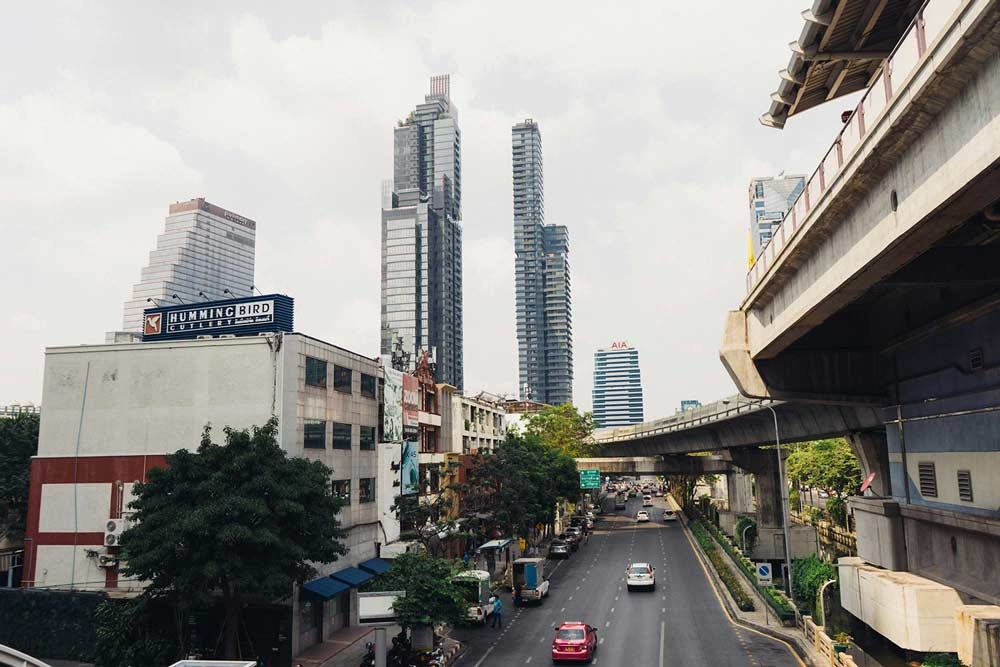
Efficient public transport in Bangkok helps you move around easily (Photo by: Phong Vo)

Conclusion: Embrace the Advantages of a Thailand Long Stay Visa

A Thailand Long Stay Visa grants you the opportunity to explore an entirely new lifestyle. The nation’s vibrant traditions, beautiful beaches, lively urban centers, and cost-effective living expenses make it a top choice among retirees and professionals. By fulfilling the necessary financial, health, and documentation requirements, you can settle down here with complete peace of mind. Remember to remain vigilant with reporting obligations and extension deadlines, as well as to stay informed of legislative changes through trusted sources such as the Haussmann Legal Services page, the DBD, or the Statrys blog.

Thailand’s charm lies not just in its warm weather and delicious food, but in the warm-heartedness of its people. It is a place where you can build fulfilling social networks, launch new business ventures, or simply relax during your retirement years. Whatever your objective, thorough research and proper planning will ensure you reap the full benefits of your extended stay. With the right attitude, you are bound to find a fulfilling new chapter of life in the Land of Smiles.

orange eye

Retirement in Thailand Basics: Visas & Cultural Insights

Living and retiring in Thailand often capture the imagination of many seeking a fulfilling life abroad. Yet you might wonder how to ensure your long-term stay goes as smoothly as possible. Today we will explore the crucial visa processes, unravel valuable cultural aspects, and share insights for your golden years in the Land of Smiles.

protecting
Relaxing Beach Moment (Photo by: Burak Argun)

Understanding Thailand’s Appeal for Retirees

Many retirees are drawn to Thailand because of its warm climate, excellent food, and friendly communities. Not only does the country boast stunning beaches, but it also features low living costs compared to Western destinations. Moreover those seeking a vibrant lifestyle will discover bustling cities like Bangkok where modern shopping malls and traditional markets coexist. Meanwhile more serene locations, such as Hua Hin, present peaceful retirement options for those who want beachside tranquility.

In addition, the local healthcare system offers highly skilled doctors and an international network of hospitals. Therefore many foreign pensioners feel more confident in making this country their extended home. If you are already considering your options, check resources like the Thai Embassy for basic guidelines. You can also explore insights on Thailand Business News, which often covers economic stability and other considerations affecting the retiree lifestyle.

Visa Essentials for a Comfortable Retirement

Navigating visa requirements is a vital first step toward a seamless life abroad. Thailand’s long-stay permits, especially the retirement visas, demand certain financial and age criteria. Interested individuals may initially consult the SME Thailand website to familiarize themselves with administrative procedures, though it is more business-focused. Then they can delve deeper into the Ministry of Labour guidelines regarding any work limitations attached to specific visa types.

For retirees over 50, Thailand’s Non-Immigrant O-A or O-X visas are typically the main options. Each requires proof of income or certain bank deposits. The Bank of Thailand site clarifies regulations on foreign currency exchanges and how you can maintain your funds. Another vital resource is the Thai Tax Authority, though retirees may have limited tax obligations if they do not engage in local business operations.

When applying for the visa, you must ensure all supporting documents, such as medical certificates, are correct and up to date. For a bigger picture of visa frameworks, the Thailand Ministry of Commerce details certain legal structures, while the Thailand Long-Stay Visa Guide offers a helpful overview of retirement options. Meanwhile you can also check the MovingTo portal for expat-oriented tips, even though it focuses mostly on business setups, as it still has relevant info for general legal procedures.

managingaboad
Active Online Exploration (Photo by: Shvets Production)

Meeting Financial Thresholds

Prospective retirees should be aware of the financial benchmarks set by Thai authorities. Generally, you must demonstrate a monthly income of at least 65,000 THB or maintain 800,000 THB in a Thai bank account for several months prior to the visa application. Several official sources, such as the Statrys page, might discuss these financial requirements in the context of foreigners setting up funds, though they cater more to entrepreneurs. Regardless the same principle of stable finances remains key.

If you plan to integrate insurance coverage, you can explore Asian-Secure.com as a private vault and insurance partner, or learn more about standard health policies from the Haussmann Legal services section, since unexpected expenses could compromise your finances. You also want to consider your financial stability for day-to-day costs, medical fees, and optional luxuries, especially in popular retirement zones like Hua Hin.

Managing Renewals and Staying Compliant

Staying in Thailand for extended periods usually calls for annual visa renewals, plus timely 90-day check-ins with the immigration department. The Department of Business Development might not sound like the obvious place to look, yet it often posts important memos relevant for foreigners. Meanwhile, frequent travelers or part-time residents can investigate new options by reading the Retiring Comfortably Hua Hin article for location-based guidance.

If you eventually decide to switch your visa status to something like an Elite Visa or a different form of residency, you can consult the Asia Business Daily for news on new immigration policies. For real-time updates, the Bangkok Post Business Section also provides relevant articles on shifting visa rules. By staying aware of official announcements, retirees can prevent unwanted overstays or compliance issues.

online check
A Mix of Leisure and Work (Photo by: Olly)

Immersing Yourself in Thai Culture

Thailand’s welcoming culture often ranks high among the reasons so many foreigners retire here. Despite modern influences, local traditions remain strong. For instance, Thai people place great importance on respect and courtesy, which extend not only to their elders but also to teachers, monks, and individuals in positions of authority. Demonstrating humility and gratitude will help any newcomer integrate more easily.

In addition, learning basic Thai phrases and practicing the wai greeting are worthwhile efforts. This simple gesture of bringing your palms together at chest level and slightly bowing your head makes a positive impression. Because the culture emphasizes harmonious social interactions, it is wise to approach conflict with tact and calm. More insights into etiquette can be found through the Thai Chamber of Commerce, which occasionally includes cultural briefs to guide foreign businesspeople and retirees.

Most retirees also note the ubiquitous role of festivals like Songkran, Loy Krathong, and various temple fairs. Getting involved in such events can foster genuine friendships and enrich your overall experience. For a legal viewpoint on local customs—especially if these involve property or traditions around inheritance—feel free to review the Haussmann Legal Services or Our Partner Network pages.

Choosing Between Urban and Rural Settings

Culture can differ drastically across urban and rural regions. Cities like Bangkok and Chiang Mai bustle with international influences, modern transit, and numerous restaurants. Neighborhoods in Bangkok, for instance, can be especially beneficial for social retirees who thrive on city life. An informative read would be the Bangkok Employment Starter Kit, primarily aimed at workers, yet it contains valuable pointers about city living.

On the other hand, smaller towns or coastal areas exude a slower pace of life. If you are eyeing Hua Hin for your golden years, you might find helpful data in the Hua Hin Retirement Roadmap. A sense of local community often prevails in such places. Sometimes neighbors gather weekly for markets or festivals, which fosters deeper social bonds. Ultimately it depends on whether you crave nightlife, broad cultural experiences, or the tranquility of a beach town.

young digital nomad working
Relaxed Lifestyle Transition (Photo by: Anna Nekrashevich)

Health and Well-Being Considerations

Your well-being stands as a top priority during retirement. Thailand houses an impressive selection of modern hospitals, many with English-speaking staff. Bangkok, in particular, flaunts internationally accredited medical centers that draw patients from around the globe. Smaller cities like Hua Hin have reliable clinics and hospitals too, but advanced care may require travel. Before you settle, evaluate medical accessibility by checking out the Retiree Healthcare Options publication for deeper details.

Furthermore, the Thailand Industrial Standards Institute and Thai Customs Department outline specific regulations for imported medical equipment or supplements, beneficial if you plan on bringing items from home. Because Thai cuisine can be spicy, manage your diet carefully to avoid health issues. That said, fresh fruits and vegetables abound, contributing to an overall healthier lifestyle for many retirees.

Mental well-being should not be overlooked. Activities like Thai massage, meditation, and yoga are incredibly popular. Some retirees enjoy volunteering or engaging with local charities, which fosters a sense of purpose. For instance, check local directories or speak to an attorney at Haussmann Legal to identify community programs that might enrich your daily life.

coworkingspace
Networking and Community (Photo by: Fauxels)

Financial Management and Protecting Your Assets

Many retirees wonder how best to keep their assets secure. Because unexpected events can occur, consider storing valuables or crucial documents in safe deposit facilities. For greater peace of mind, you can explore specialized services like Asian-Secure’s private vaults. A reliable deposit box or vault can safeguard items like land titles, which matter for foreigners who own property in Thailand. You could also compare bank vaults vs. private vaults for an in-depth look at pros and cons.

Next, evaluate insurance solutions for deposit boxes through safety deposit box insurance so you are covered in any worst-case scenario. For local legal angles, the Protecting Retirement Funds Abroad article outlines steps to avoid fraud and navigate official procedures. Because transparency is vital, you should always keep close tabs on your finances, especially if you maintain multiple bank accounts.

Additionally, the ASEAN Briefing and Emerhub (some entrepreneurs rely on Emerhub for business registration, though it also shares knowledge about foreign ownership structures) provide broader regional insights if you consider investing or transferring assets within Southeast Asia. Meanwhile, a prudent practice is to frequently review your estate planning documents with professionals at Haussmann Legal.

Planning for Property Ventures

While many foreigners opt to rent, a few prefer to purchase condominium units or lease land. Thailand’s Royal Thai Embassy – Foreign Business Act Overview outlines certain limitations for foreign property ownership, so you must navigate these rules with care. If your finances permit a larger investment, check whether the Thailand Board of Investment can offer relevant investment incentives for retirees who invest in real estate developments.

Further clarifications on property laws are available in the Legal News section from Haussmann Legal. You might also like to read Choosing Property Hua Hin, which explains how to weigh renting versus buying. Because your home environment affects quality of life, you will want to make decisions that safeguard both your comfort and your wallet.

securing
Friendly Atmosphere (Photo by: Olly)

Everyday Logistics and Lifestyle Tips

Transitioning to retirement in an unfamiliar country calls for practical planning. First, consider your phone and internet setup. Local providers like AIS, TrueMove H, and DTAC offer budget-friendly packages that keep you connected with your loved ones abroad. Second, set up an account with a Thai bank once you have the proper visa. The Haussmann Legal offices throughout Thailand can point you to local banks known for their efficient service to foreigners.

Public transportation in cities such as Bangkok includes the BTS Skytrain, MRT, buses, and river ferries. Taxis and rideshare services operate widely, but in smaller towns you may rely more on songthaews (shared trucks) or motorbike taxis. Because driving can get hectic, remain cautious if you plan to buy a vehicle. You might read the Bangkok Job Market Primer for an overview of city commuting, even if you do not plan to work, because it details local transport norms.

Daily expenses vary by region. Urban centers tend to be pricier than countryside locales. Food stands, street markets, and local grocery stores offer affordable and delicious meals. Western-style dining can be more expensive, so budgeting accordingly helps stretch your retirement funds. The Hua Hin Legal Checkup article hints at the typical living costs for seniors. You will likely discover that moderate rent, moderate utilities, and inexpensive public transport free up funds for recreation, health, or travel.

Connecting with Local Communities

Embracing community events can help you feel at home much faster. In many regions, local expat clubs and Facebook groups host meetups or language exchanges. Thai people are typically warm toward newcomers, though you will benefit from adopting certain cultural norms. Check the partner network from Haussmann Legal or the Asian Secure Locations across Thailand to identify hubs where retirees congregate.

Additionally, the Golden Years Hua Hin article covers community aspects for seniors wanting genuine friendships and cultural immersion. Because social connections are beneficial for mental health, staying active in community circles might also avert loneliness, which some retirees face when they relocate far from their original home countries.

young man smiling
Cheerful and Welcoming (Photo by: Olly)

Safety, Legal Documentation, and Long-Term Security

Securing your future is about more than visas and culture; it also involves safeguarding personal data and official paperwork. Because missteps can be costly, consult Haussmann Legal if you have concerns about immigration documents, property deeds, or your will. A thorough legal checkup can save you from potential pitfalls.

Those who store essential documents like real estate contracts, medical directives, or prenuptial agreements in deposit boxes should review articles such as Insurance for Safety Deposit Boxes vs. Private Vaults. Additionally, the best safe jewelry storage in Thailand piece from Asian-Secure suggests best practices for valuables. Because security extends beyond physical goods, be sure you also implement strong online data safeguards.

Should you require on-the-ground support or guidance about local bureaucratic processes, you can reach out directly via the Haussmann Legal Contact Page or visit any of their offices in Thailand. If you want immediate guidance on private vault services, contact Asian-Secure directly.

Preparing a Smooth Exit Strategy

Most retirees coming to Thailand plan to stay indefinitely, yet circumstances can change. Therefore, keep an exit strategy in mind. The Thai Customs Department informs travelers about re-exporting personal belongings, and the Social Security Office covers matters related to any workforce involvement or medical benefits. Although many retirees do not need these details right away, it is wise to learn them in case you want to relocate or frequently travel between Thailand and your home country.

Moreover, if you plan to keep one foot in your native land and another in Thailand, the deposit boxes for part-time residents resource might help you figure out how to store vital documents while you are away. Avoid last-minute chaos by ensuring your property leases, utility accounts, and bank details are properly managed before any extended absences. If you need an up-to-date reference about these logistical matters, check Thailand Business News for regular bulletins on policies that can affect foreigners.

bangkok employ
Staying Open to New Possibilities (Photo by: Royal Anwar)

Retirement in Thailand Basics: Final Reflections

We have explored a broad range of visa options, cultural norms, health considerations, and financial safeguards essential to settling down here. Retirement in Thailand Basics reminds us that comprehensive preparation is the key to a calm and rewarding experience. Starting with the correct visa, continuing through practical cultural integration, and ending with asset protection strategies, each component shapes your day-to-day life.

Because no two journeys look exactly the same, tailor your plans to meet your financial capacity, personal interests, and medical needs. Seek out resources like Thailand Retirement Visa Insights for specific details. Ensure that you comply with local regulations and maintain an active social circle so you flourish in your new environment.

Ultimately, life in Thailand can blend the best of affordability, cultural diversity, and personal freedom, provided you stay well-informed. If you need specialized legal guidance, check About Haussmann Legal or their partner network to connect with professionals who can clarify complex procedures. Whether you settle in a cosmopolitan hub or a peaceful coastal town, let your retirement in Thailand represent a chapter of discovery and heartfelt enjoyment.

last will in thailand
Confirming Your Future Plans (Photo by: A Darmel)

old wm

Hua Hin Retirement Roadmap: Budgeting, Visas, and More

Are you dreaming of a relaxed life by the sea where the climate stays pleasantly warm, the living costs remain manageable, and the community feels like family? Welcome to your Hua Hin Retirement Roadmap. This beautiful Thai coastal city beckons retirees from around the world with its enchanting beaches, friendly culture, and easygoing vibe. Yet to ensure your new life flows smoothly, it’s essential to organize your finances, understand the visa process, and plan for any healthcare needs you might have. In the paragraphs below, we will explore the best ways to budget in Hua Hin, unravel the intricacies of visa requirements, highlight crucial legal considerations, and much more.

foreign founder success
Happy retiree exploring financial plans (Photo by: Olly)

Transitioning into a new lifestyle shouldn’t feel overwhelming so long as you equip yourself with the proper knowledge. Moreover, you can lean on professional guidance from reliable firms that support foreigners settling in Thailand. Whether you plan to surf the waves, take scenic walks, or immerse yourself in local traditions, Hua Hin offers a slower pace of life many retirees crave. However, you’ll still want to compare your estimated monthly expenditures with potential retirement income, sort out your property options, and check for up-to-date regulations on retirement visas. Keep reading because we will provide an in-depth look at all these aspects, plus how to stay legally protected on your path to a worry-free future.

1. Discover the Allure of Hua Hin’s Lifestyle

Everyone who arrives in Hua Hin for the first time notices the lively blend of a tranquil beach ambiance and a vibrant social setting. This combination continues to make the city a prime choice for retirees who prefer a balanced lifestyle. According to insights shared in Bangkok Post – Business Section, Hua Hin’s economy has been strengthening thanks to foreign interest in real estate and tourism. When you add the appealing infrastructure, including modern shopping centers and top-tier medical facilities, it becomes obvious why many expats prefer to put down roots here.

If you are looking for more tailored guidance on finding the perfect spot in this charming coastal enclave, feel free to explore our in-depth article Hua Hin Senior Living Advice – Finding the Ideal Neighborhood in Hua Hin. It covers everything from the cost of renting near the beach to the personality of diverse neighborhoods. Additionally, if you wish to see how we at Haussmann Legal can be of service, head to our Partner Network and discover valuable resources.

Hua Hin appeals to individuals who enjoy everything from golf courses to local night markets, and from serene temples to lively water sports. You can expect a wide variety of dining options, including local Thai street food, Western favorites, and even fusion gourmet experiences. Meanwhile, you are never far from nature if you want to take a sunrise stroll along the beach or explore the rolling hills just outside the city. Everyone looking to retire in style will likely love the region’s broad array of activities.

downtown bangkok outer skirt
Coastal horizon of Hua Hin (Photo by: MartinPechy)

2. Budgeting for a Comfortable Retirement

Before you relocate, you’ll want to map out a sensible financial plan. That includes researching average housing costs, utility bills, transportation options, healthcare fees, and everyday living expenses. Some retirees rely heavily on spreadsheets to compare their monthly pensions to projected expenses, while others look at Thailand Business News to review local economic updates. Because Thailand’s cost of living can be much lower than many Western nations, it frequently appeals to those on fixed incomes. Yet a precise budget is necessary to avoid any rude awakenings after you settle in.

For deeper insights on stretching your finances without sacrificing a good quality of life, read our piece Maximize Pension Hua Hin – Financial Tips for Senior Expats. It discusses taxes, interest-bearing savings accounts, and practical ways to track your spending. If you still need a helping hand, you can always check out our Services page and discover how professionals assist with everything from property evaluations to drafting thorough retirement budgets.

Eating out costs can fluctuate widely, depending on where and what you like to eat. You might pay a fraction of the cost for a flavorful Thai meal at a local food stall, whereas an upscale international restaurant will naturally charge more. Nonetheless, you are likely to find your comfort zone. The same principle applies to accommodation: a downtown condo could be pricier than a bungalow slightly inland. Look for current housing price ranges from resources like Thailand Ministry of Commerce, so your expectations remain realistic.

online check
Retiree using a budgeting app on her laptop (Photo by: Olly)

3. Visa Basics: Understanding Retirement Options

Acquiring the right visa stands at the core of a successful move. Many expats apply for a Non-Immigrant “O” or “OA” visa designed for retirees. The Thai government sets conditions like minimum bank deposits or consistent monthly income. You can also explore the Long-Stay Visa program if you meet specific financial thresholds. For the most recent updates and official guidelines, check the Thai Embassy website.

In many scenarios, you must show bank statements or pension documentation to validate your financial standing. Because visa regulations evolve over time, it’s wise to stay vigilant. Some individuals consult with legal experts or read well-structured articles before starting the application process. Delve into our comprehensive overview Thailand Retirement Visa Insights – Securing Your Long-Stay Permit and complement that knowledge by reviewing Thailand Board of Investment (BOI) for details on broader foreign involvement possibilities.

Some retirees stay on yearly extensions that require renewal every 12 months. Others prefer new government initiatives for extended stays. Be mindful of the 90-day reporting if you’re holding a longer-term visa. For further clarifications, it can help to speak with professionals who handle immigration matters daily. You may also check the Thailand Long-Stay Visa Guide – Requirements for a Worry-Free Life for step-by-step instructions. Thorough preparation always makes the process much smoother.

digital nomad survival
Retirees reviewing visa documents together (Photo by: Sora Shimazaki)

4. Finding the Right Place to Live in Hua Hin

Choosing a suitable home significantly influences your retirement experience. Some retirees opt for condos downtown because they enjoy quick access to restaurants and cultural activities. Others prefer the peaceful suburbs that provide more space and tranquility. You’ll want to research carefully before signing any lease. If you can, come for a short visit first, then explore different neighborhoods to see what feels right.

You can consult official data on property transactions through Thailand’s Department of Business Development (DBD) site to gauge real estate trends. Alternatively, local realtors and online forums can shed more light on pricing and availability. Our team also suggests reading Choosing Property Hua Hin – Renting vs. Buying Options to gain insights into legal frameworks and typical costs. This helps you evaluate the pros and cons of renting over owning.

Because Thai laws restrict freehold ownership of land for foreigners, many choose to purchase condominiums under foreign quota or use leasehold agreements. The simplest path often involves renting. Yet if you want to buy for the long haul, make sure you obtain thorough legal guidance. Understanding ownership regulations keeps you from inadvertently violating the country’s rules. You could also check Thai Chamber of Commerce announcements to see if new incentives or property regulations have come into effect.

5. Healthcare Essentials for Peace of Mind

Everyone knows that reliable healthcare is a top priority during retirement. Thankfully, Hua Hin hosts several reputable hospitals and clinics that cater to both locals and foreigners. For a detailed look at coverage plans and where to find top-notch medical services, take a moment to review our Retiree Healthcare Options Explored – Hospitals, Insurance, and Costs. Some retirees prefer private insurance for quicker service at international-standard facilities, while others rely on local insurance or personal savings.

According to the Thai Tax Authority, you can sometimes deduct certain medical expenses from your taxable income, depending on your residency and visa status. Keeping updated records of healthcare costs proves helpful come tax season. A well-chosen plan that covers major hospital stays and routine checkups will provide peace of mind. Thoroughly comparing providers ensures you’re not overpaying for coverage you don’t need.

You may also wish to speak to our attorneys or consultants about medical directives, living wills, and power of attorney. Visit Our Services page for professional assistance. Aligning your healthcare preferences with local legal structures ensures you’ll always receive the type of medical care you want in an emergency. This aspect of planning can sometimes be overlooked but is extremely important in your overall retirement strategy.

managingaboad
Retiree exploring various health insurance plans (Photo by: Shvets Production)

6. Embracing Thailand’s Culture and Social Scene

Culture shapes the color and depth of life in Hua Hin. You can engage in festivals celebrating Thai culture or join local expat clubs to expand your social circle quickly. Many retirees sign up for Thai language courses to boost their confidence when interacting with local residents. By doing so, you’ll find it easier to visit markets, chat with neighbors, and handle routine errands.

For more on how to integrate into the local lifestyle, see Golden Years Hua Hin -: Culture, Community, and Comfort. Doing your research about Thai customs may also reduce the risk of misunderstandings. According to Thailand Ministry of Commerce, cultural nuances can even influence how certain services are negotiated or how property leases are established.

Hua Hin also offers an abundance of group activities. Whether you’re into yoga on the beach, volunteering at local shelters, or golf tournaments, the city fosters an atmosphere where it’s easy to meet like-minded people. Events are frequently posted on community boards, social media groups, and local websites, so keep an eye out if you want to stay socially active.

exploring
Retirees enjoying local culture and festivities (Photo by: Olly)

7. Navigating Banking and Financial Matters

Setting up a local bank account often simplifies day-to-day transactions. You can pay utility bills, manage monthly rent, and handle grocery purchases more efficiently. According to the Bank of Thailand – Foreign Exchange Regulations, foreigners must adhere to certain procedures when transferring money from abroad. Typically, you’ll need a valid visa and proof of address to open an account. While every bank has its internal requirements, collecting necessary documents beforehand helps you avoid repeated trips to the branch.

You might also leverage international online banking solutions like Statrys for more flexibility. However, a Thai bank account is valuable if you want to establish a solid financial footprint in the country. For advanced legal insights, see our article Protecting Retirement Funds Abroad – Avoiding Scams and Legal Troubles. That piece walks you through how to safeguard your assets from fraudulent schemes and clarifies essential documentation.

Additionally, keep in mind the importance of budgeting for currency exchange fluctuations. Some retirees prefer to maintain accounts both in their home country and Thailand so they can shift funds around when exchange rates become favorable. If you’re comfortable with technology, you might benefit from apps that track these rates in real time and send you alerts.

8. Important Legal Considerations

While Thailand offers a relatively smooth retirement process, abiding by all local regulations is still crucial. You’ll want to be aware of land ownership laws, inheritance rules, and potential tax obligations. Thailand’s Royal Thai Embassy – Doing Business in Thailand outlines specific regulations that foreign residents should respect. It’s not exclusively about business; the guidelines often shed light on personal legal matters too.

If you hope to explore deeper corporate or property investment opportunities, studying the About Haussmann Legal section gives you an idea of how we provide counsel. Also, it’s wise to check the Department of Business Development (DBD) for up-to-date rules on property leases. Understanding local probate laws is important if you plan to pass on Thai-based assets to family members, as the legal intricacies can differ substantially from Western countries.

For day-to-day living, obtaining the correct type of driver’s license and reading up on local insurance norms are essential steps. Mistakes in these areas lead to complications in case of accidents or property damage. Always verify that your legal documents, including your will, meet Thai standards. Many retirees hire a Thai attorney for drafting or verifying these documents to ensure full compliance.

reduces career
Consulting with legal experts for retirement planning (Photo by: Sora Shimazaki)

9. Extra Support and Services for a Seamless Transition

Moving to a new country often feels more manageable when you have a knowledgeable support system. Some retirees hire local relocation agencies that provide airport pickup, translation services, and even short-term furnished rentals while you search for permanent housing. You can also hire reputable legal teams or visa experts who help you decipher bureaucratic paperwork. If you ever need dedicated legal counsel specifically for seniors, check out Living Peacefully Hua Hin – Lawyer for Seniors and Retirees.

Reach out via our Contact Page to speak with our legal specialists directly. They can point you to the best ways to handle property transactions, insurance claims, or estate matters. Additionally, you may want to look at Ministry of Labour – Work Permit Regulations if you plan to dabble in part-time work or consulting, although that’s less common among retirees.

You’ll also be glad to know that, for day-to-day convenience, a growing number of services cater specifically to non-Thai speakers. That means English-speaking banking staff, real estate agents, and even helplines. Should you need advanced translation services for important documents, you might consider contacting SEAProTI, which specializes in facilitating legal translations and ensuring your paperwork meets Thai standards.

10. Unwinding: Fun Activities and Recreational Pursuits

Hua Hin is teeming with enjoyable activities suitable for retirees. Spend your mornings walking on the sandy beaches or watching the sun rise over the Gulf of Thailand. Later, you can join a golf club or simply read a good book under a palm tree. Those who enjoy nature can explore local waterfalls and national parks that showcase Thailand’s lush greenery. If you’re more culturally inclined, temples and local festivals never run short.

You can get more ideas by checking out Retiring Comfortably Hua Hin -: Neighborhoods and Healthcare Tips, which also addresses some local attractions. For broader perspectives on lifestyle trends and financial tips, Asia Business Daily highlights how expats balance leisure with occasional side hustles.

Expanding your social horizon helps you foster friendships easily. You’ll find meetup groups for photography enthusiasts, cooking classes featuring Thai cuisine, and volunteering opportunities at local animal rescues. The city also has a robust network of clubs for foreign retirees, where you can share experiences and get insider tips on making the most of your new environment.

a serene spot
Enjoying a leisurely beach day in Hua Hin (Photo by: Quang Nguyen Vinh)

11. Exploring the Culinary Scene

Thai cuisine is famous for its unique blend of sweet, sour, salty, and spicy flavors. Hua Hin’s open-air markets serve everything from fresh seafood to tropical fruits, while upscale restaurants present fusion dishes combining Thai elements with Western favorites. Walking around the bustling night market is an experience in itself. You can watch local chefs whip up flavorful street food that’ll awaken your taste buds.

If you’re looking for specific nutritional or dietary options, you’ll find specialized grocery stores that cater to foreign tastes. Many retirees with dietary restrictions, whether for health or lifestyle reasons, appreciate the growing variety of products on supermarket shelves. Checking Thai Customs Department guidelines can clarify which imported goods are permitted without extra taxes. Combining your new environment with the comforts of home sometimes requires creativity, but it’s more than possible here.

For a bit of local flavor, consider heading out on the weekends to sample the morning catch at the fishing pier. Alternatively, sign up for cooking workshops that teach you how to replicate iconic Thai dishes right in your own kitchen. Enthusiasts often say that mastering the art of Thai cooking is among the best ways to immerse yourself in local culture.

12. Managing Your Retirement Over Time

Retirement is rarely static. Your financial needs might change if your family situation evolves or if you decide to travel more extensively. Monitor updates from ASEAN Briefing to stay current with any shifts in regional economic conditions. It’s also prudent to follow local news or official websites for announcements on healthcare system changes, new visa policies, or currency fluctuations.

Additionally, consider scheduling periodic legal checkups so you remain compliant with local regulations. For insights on legal pitfalls retirees face, read Hua Hin Legal Checkup – Common Pitfalls for Expat Pensioners. These checkups often cover aspects such as estate planning, property rights, and tax obligations. If you discover adjustments are necessary, making them sooner saves money and hassle later.

In the event you find yourself in a new personal situation, such as deciding to invest in a local business, the SME Thailand platform offers guidelines on small enterprise setups. Even if you started out with no intention of working again, you never know when a hobby can turn into a revenue stream, or you simply want to remain active.

analize
Keeping track of finances during retirement (Photo by: Anna Nekrashevich)

13. Public Transportation and Getting Around

Hua Hin is compact enough that you can easily navigate it using tuk-tuks, motorbike taxis, and local buses. If you prefer more independence, renting or buying a scooter is feasible. Just remember that an international driver’s license or a Thai license is required for operating motor vehicles. Public vans run to nearby provinces or to Bangkok, although schedules may vary.

For more extensive journeys within Thailand, domestic flights or long-distance buses are widely available. Some retirees enjoy an occasional city escape for shopping or cultural events, traveling to Bangkok for the day. Check local bulletins like the Bangkok Post – Business Section for announcements on infrastructure developments that may improve regional connectivity. Should you need assistance in multiple provinces, you can locate us at Our Offices across Thailand.

Sticking to public transport often reduces living expenses significantly because you avoid the costs of car payments, insurance, and vehicle maintenance. Meanwhile, owning a small car or motorbike may give you the freedom to explore hidden beaches and local gems without depending on schedules. Whichever method you pick, always prioritize safety and ensure the vehicle is properly insured if you own or rent it.

14. Leveraging Technology and Remote Options

Plenty of retirees enjoy volunteering or working part-time from the comfort of their homes. Strong internet infrastructure and co-working spaces are increasingly common in Thailand, making it easy for you to remain connected with friends or family abroad. Some individuals who retire in Hua Hin also pursue side projects like online teaching or consulting. Staying engaged mentally and socially can provide a rewarding sense of purpose.

You can explore how digital solutions streamline many tasks by reading Digital Nomad Thailand Basics – Setting Up for Long-Term Success, although it’s aimed more at working expats. Collaboration tools, secure cloud storage, and video conferencing apps allow you to partner on projects globally. Should you need official documents translated, SEAProTI provides robust digital solutions as well.

If you care about staying updated on financial or legal topics that might affect your remote endeavors, glance at Moving To for an overview of basic compliance steps in Thailand. The technology landscape has made it simpler than ever to enjoy a fulfilling retirement while occasionally tapping into your professional background.

remote blueprint
Retiree exploring online work tools from a cozy spot (Photo by: Shkrabaanthony)

15. Quick Overview: Common Retirement Questions

1) Do I need a Thai bank account to live comfortably?
You can get by using international cards, yet a local account is often cheaper and more convenient. Verify with the Social Security Office – Employee Benefits if you plan to work or hire staff, because direct deposits might require a Thai account.

2) Is healthcare expensive?
It depends on the facility and type of treatment. To understand average costs, read local info or check Thailand Industrial Standards Institute (TISI) guidelines on healthcare product standards. In general, private hospitals can be pricier but tend to have shorter wait times.

3) Can foreigners own property outright?
With few exceptions, foreigners cannot own land. You can, however, legally purchase condominiums under the foreign quota or sign a long-term lease. Consult Living Peacefully Hua Hin – Lawyer for Seniors and Retirees if you need clarity on property laws.

4) What documentation do I need for a retirement visa?
You generally need proof of income, proof of address, and valid health insurance for long-stay visas. For full details, the Thai Embassy remains your best resource, combined with guidance from specialized legal services.

5) How safe is Hua Hin?
Hua Hin is considered one of the safer areas in Thailand. Petty theft can happen, so stay vigilant. Resources like Thai Customs Department also address rules about bringing valuable items into the country.

16. Final Thoughts on the Hua Hin Retirement Roadmap

One of the main reasons so many international retirees flock here is the unique combination of scenic beauty, modern amenities, and cultural richness. You can structure your routine around leisurely beach walks in the morning and social dinners in the evening, all without exhausting your budget. If you carefully follow our Hua Hin Retirement Roadmap advice, you can sidestep common challenges and focus on enjoying a rewarding lifestyle.

When you’re ready to take the leap, visit our Haussmann Legal Home to browse more comprehensive articles. Also, keep an eye on our Legal News for updated regulations. Should you need personal counsel or assistance with legal procedures, our Contact Page connects you directly with our professional team.

Remember that laws may change, new real estate opportunities can arise, and personal circumstances often evolve over time. Therefore, consistent vigilance, staying informed, and reaching out to legal experts when needed keeps your life in Hua Hin running smoothly. We trust these insights guide you toward a fulfilling retirement, set against the warm breezes and stunning landscapes of Thailand.

confidence after strategic
Looking forward to a worry-free retirement in Hua Hin (Photo by: Edmond Dantès)

old man pink shirt

Golden Years Hua Hin: Culture, Community, and Comfort

Are you envisioning a peaceful retirement destination that merges picturesque beaches, vibrant culture, and friendly locals? Many retirees seeking a new life chapter turn their eyes toward Hua Hin in Thailand, and for good reason. Whether you wish to relax by the seaside, explore world-class cuisine, or find a fulfilling community-driven lifestyle, Hua Hin stands ready to welcome you. In this guide, we will illuminate how Golden Years Hua Hin living can provide culture, community, and endless comfort for seniors and retirees who long for an enriching experience.

young digital nomad working
Comfortable home workspace for retirees
Photo by: Anna Nekrashevich
 

Why Hua Hin Is a Retiree Paradise

Indeed, one question often asked by prospective retirees is why they should pick Hua Hin over other beach destinations in Thailand. The reason is multifaceted: affordability, excellent healthcare, relaxed ambiance, and a supportive expat network. This coastal town boasts pristine beaches, a mild climate, and a slower pace of living. Furthermore, local infrastructure has grown significantly over the years, which means access to modern conveniences, shopping centers, and medical facilities is easier than ever.

Yet, not everyone realizes that Golden Years Hua Hin living is more than just a beach retreat. The city also has unique cultural offerings, including temples, bustling markets, and festivals that appeal to curious souls looking to immerse themselves in Thai traditions. If you want to learn more about typical retirement strategies or immigration procedures, feel free to explore Retirement in Thailand Basics – Visa Requirements and Cultural Insights (IL). This comprehensive resource from Haussmann Legal (IL) outlines crucial steps for foreigners heading to Thailand.

Retiring in Hua Hin can also ease legal and administrative hurdles. For instance, you can find a quick overview of Thailand Long-Stay Visa Guides (IL) right on Haussmann Legal’s platform. Moreover, if you’re interested in exploring how to safeguard your assets while living in Thailand, you can also visit Asian-Secure’s FAQ section (PL) to understand modern vault services designed for foreign residents.

the hustle
Scenic Hua Hin coastline for tranquil mornings
Photo by: Sophie Roome

Cultural Richness in Hua Hin

Immersing yourself in Thai culture fosters a sense of belonging and appreciation. Hua Hin features numerous cultural landmarks, from beautifully ornate temples to lively street markets. The iconic Wat Khao Takiab, perched atop a small hill, offers panoramic views of the coastline. As you stroll through its grounds, you might encounter friendly residents, local delicacies, and serene prayer halls. Such immersive experiences enrich your Golden Years Hua Hin perspective by revealing the depth of Thai traditions.

Are you interested in exploring more about Thai property ownership or short-term rentals for your visiting family and friends? Check out Short-Term Rentals & Airbnb Challenges (IA). For additional knowledge on diving deep into local culture and expat communities across Thailand, you can browse Thailand Business News (external, dofollow). They often feature local happenings, cultural events, and economy insights that could affect your new life in Hua Hin.

When considering the cultural tapestry of Hua Hin, festivals play a central role. Loy Krathong, for instance, illuminates local waterways with glowing lanterns. Meanwhile, Songkran—Thailand’s famous water festival—ushers in the Thai New Year with joyous splashing. Living here means you get to witness these grand cultural displays while forging meaningful bonds with your neighbors. If you need professional guidance on navigating local regulations during festival seasons or require legal assistance, contact Haussmann Legal (IL).

digitalnomad
Discovering rich cultural heritage in Hua Hin
Photo by: Shkrabaanthony

Community Engagement and Expat Networks

Many retirees worry that a language barrier or unfamiliar environment could impede social connections, yet Hua Hin thrives on a supportive expat community. You will encounter individuals from around the globe, and these cultural intersections foster new friendships and learning opportunities. Local clubs organize golf tournaments, cooking classes, beach cleanups, and more. Participation not only enriches your social life but also helps you adapt to local rhythms.

If you prefer more structured activities, consider volunteering at local schools or animal rescue centers. Such community involvement can transform your Golden Years Hua Hin experience into a meaningful chapter of service and personal growth. Indeed, the city’s environment encourages retirees to remain active, and you’ll find plenty of resources on Hua Hin Senior Living Advice (IL) that can help you pick the right neighborhood to fit your interests.

Staying in touch with global developments is important too. Reputable news sources like Bangkok Post – Business Section (external, nofollow) provide continuous updates on economic policies, while ASEAN Briefing (external, nofollow) covers investment opportunities and social trends in Thailand. Thai Embassy (external, dofollow) shares guidelines on foreign business operations and relevant local events, which can be valuable if you ever decide to open a small venture in your free time.

digital nomad survival
Active expat community offers countless social opportunities
Photo by: Sora Shimazaki

Everyday Comfort and Lifestyle Perks

Comfort is a key aspect of Golden Years Hua Hin, which is why many retirees are delighted by the array of lifestyle perks available. The town’s beaches invite you to start each morning with a tranquil walk on the sand. Meanwhile, nearby hillsides offer hiking trails if you crave a mild yet enjoyable workout. For daily errands, modern shopping malls and grocery stores cater to international tastes, ensuring you can find specialty items from home without hassle.

Healthcare is another important consideration for retirees, so rest assured that Hua Hin hosts reputable hospitals and clinics. For a comprehensive breakdown of medical coverage options, you can visit Retiree Healthcare Options Explored (IL). If you’re curious about more advanced or specialized hospital facilities, a quick consultation with Haussmann Legal’s services (IL) can guide you through health insurance plans, paperwork, and potential legal pitfalls.

Wherever you decide to settle, you’ll notice the presence of local restaurants showcasing authentic Thai flavors and a sprinkling of international cuisine. Some retirees delight in sampling fresh seafood at the night markets, and others prefer quaint cafés overlooking the sea. This gastronomic variety not only keeps life interesting but also appeals to diverse palates. For an in-depth look at local real estate, lifestyle budgeting, and daily living costs, check out Hua Hin Retirement Roadmap – Budgeting, Visas, and More (IL).

analize
Mesmerizing seaside walks enhance your golden years
Photo by: Anna Nekrashevich

Healthcare and Practicalities for Retirees

Practicalities shape the foundation of a secure retirement. That is why understanding local healthcare, visa requirements, and day-to-day living is crucial. Hua Hin has a well-developed health system with private and public hospitals. Some clinics specialize in geriatric care, which can be reassuring for those with chronic health conditions. If you’re seeking additional reassurance about the cost and quality of healthcare, the Social Security Office (external, nofollow) website provides information on mandatory contributions and benefits. Meanwhile, Thailand’s Ministry of Labour (external, nofollow) covers topics related to work permits, which might become relevant if you choose to take up a part-time position or volunteer role.

Your Golden Years Hua Hin journey also requires familiarity with legal processes. Do you need guidance on drafting wills or safeguarding your assets? Haussmann Legal’s background (IL) highlights expertise in estate planning and property management, which can be vital for retirees. Moreover, if you wish to store precious belongings like jewelry or important documents, Gold and Document Storage in Thailand (PA) from Asian-Secure might be what you need. Their private vaults allow you to keep valuables safe from everyday risks.

A helpful tool for retirees exploring business avenues or philanthropic projects is the Department of Business Development (external, dofollow) website. It details company registration processes in Thailand, so you understand legal obligations from the start. You may also find useful checklists in Moving To’s Thailand Company Registration Guide (external, nofollow). Even in your retirement, the possibility of part-time entrepreneurial pursuits remains open.

Local Cuisine and Dining Highlights

Thai gastronomy is globally renowned, and Hua Hin stands as one of the culinary gems of the country. Fresh seafood, fragrant herbs, and local produce characterize the region’s fare. From traditional curries to piquant papaya salads, there is a dish for every palate. For retirees, dining in Hua Hin is also a social experience, as food markets, neighborhood eateries, and fine dining establishments become communal gathering spots.

If you yearn for cooking inspiration, you might take advantage of local classes that teach you how to make authentic Thai dishes. These classes often highlight the art of balancing sweet, sour, salty, and spicy flavors. For comprehensive guides on Thai cuisines and how certain dishes align with a healthy lifestyle, resources like Asia Business Daily (external, nofollow) occasionally run features on regional food trends. Digging into these insights keeps your everyday meals fresh and invigorating.

Additionally, vegetarian and vegan restaurants have grown in popularity, giving you ample choices if you prefer plant-based options. For retirees with specific dietary restrictions, many eateries are accustomed to customizing orders. Whether you fancy a quick stir-fry at a roadside stall or prefer a fine dining experience at a luxury resort, Hua Hin’s dining landscape ensures you never grow tired of your menu.

Real Estate Options in Hua Hin

Comfortable living arrangements are vital to an enjoyable retirement. Hua Hin offers diverse housing options, ranging from condominium units near shopping malls to spacious villas with private pools. Many retirees choose gated communities for the added security, yet others opt for smaller apartments in bustling city areas to stay close to local events. The choice depends on your budget, privacy preferences, and lifestyle aspirations.

For clarity on renting versus buying property, review the article Choosing Property Hua Hin – Renting vs. Buying Options (IL). You’ll gain insights on the pros and cons of each approach. If you prefer a thorough property inspection before closing a deal, Hua Hin Legal Checkup (IL) highlights common pitfalls and offers solutions for seniors.

For individuals wanting an in-depth perspective on mortgage rates, local financing rules, and house ownership limits for foreigners, Statrys (external, nofollow) sometimes addresses these topics in its financial guides, and Thailand Ministry of Commerce (external, dofollow) offers official updates on property laws. Cross-checking multiple sources helps ensure you remain fully informed when making real estate decisions.

foreign founder success
Comfortable condominiums offer security and convenience
Photo by: Olly

Financial and Legal Considerations

A successful retirement journey in Hua Hin involves solid financial planning. Managing pensions, savings, currency exchanges, and taxation is simpler when you have accurate, up-to-date data. For example, the Bank of Thailand (external, nofollow) site discusses foreign exchange regulations and repatriation of funds, which is pivotal for anyone living on an overseas pension.

If you prefer professional help, contacting Haussmann Legal (IL) can save you from costly mistakes. They offer guidance on local taxes, property transfers, or any estate-related issues unique to retirees. In addition, resources like Thai Tax Authority (external, dofollow) outline the basics of personal income tax for foreigners.

The protection of retirement funds should never be overlooked. Always check out Protecting Retirement Funds Abroad (IL) to learn how to detect fraudulent schemes. Also, Asia Business Daily (external) occasionally warns readers about ongoing financial scams in the region. Stay alert, especially when approached by so-called “financial advisors” lacking solid credentials.

Aspect Questions to Ask Recommended Action
Pension
Is it stable, and can it be deposited in Thailand?
Check international transfer options via your home bank.
Taxes
Do you need to file taxes in both Thailand and your home country?
Consult tax treaties and local tax authorities.
Investments
How do local regulations affect your assets?
Read official info at dbd.go.th or consult a legal expert.
Insurance
Which health coverage aligns with your needs?
Research Haussmann Legal’s services for recommended insurers.

Key Steps for a Smooth Transition

online check
Proper planning ensures a smooth transition to Hua Hin
Photo by: Olly

Social Opportunities and Senior Involvement

Staying active and socially engaged can make your retirement truly fulfilling. Hua Hin offers numerous clubs, ranging from gardening to hiking, that welcome newcomers warmly. You might even find volunteering opportunities at local orphanages or schools. This level of inclusion can keep your mind sharp, your body active, and your spirit gratified.

If you’re interested in supporting local charity events or starting an initiative yourself, you could consult the Thai Chamber of Commerce (external, nofollow) for networking advice. Additionally, Living Peacefully Hua Hin – Lawyer for Seniors and Retirees (IL) points out how to maintain a harmonious life in the region by following local regulations and adopting best practices when it comes to philanthropy.

Hua Hin’s environment encourages seniors to continue exploring new hobbies, whether that’s painting, cooking, yoga, or even dabbling in social media content creation. Many retirees say the city’s calm nature, combined with a pinch of modern flair, encourages them to remain curious and adventurous.

Security and Peace of Mind

Security is an integral part of Golden Years Hua Hin, especially for individuals who relocate from abroad. Although Hua Hin is generally safe, storing valuables in a reliable location ensures even greater peace of mind. Bank Vaults vs. Asian-Secure Private Vaults (PL) compares two popular solutions for safeguarding items like gold, important documents, or digital assets. Having a proper security plan helps you focus on enjoying daily life without unnecessary worry.

Also, it’s wise to remain aware of local laws and regulations, which you can do by tracking updates from Thailand Business News (external, dofollow). If you have any doubts or face unexpected legal complications, Haussmann Legal News (IL) provides insights into recent legislative changes and guidelines that might impact expatriates or retirees.

If you’re still exploring various living arrangements, consider reviewing Retiring Comfortably Hua Hin – Neighborhoods and Healthcare Tips (IL). The right neighborhood can add an extra layer of calm to your retirement by securing you within a supportive community that shares your interests and values.

exploring
Staying secure contributes to a stress-free retirement
Photo by: Olly

Conclusion

Relocating to Hua Hin brings endless opportunities for personal growth, cultural immersion, and new friendships. Its relaxed pace allows seniors to appreciate life’s simple pleasures, and its modern conveniences ensure daily comfort. Our Partner Network (IL) and Offices across Thailand (IL) can assist you with everything from legal formalities to secure asset storage. Whether you plan to spend your afternoons strolling on the beach or volunteering with local charities, Golden Years Hua Hin merges culture, community, and comfort into a lifestyle that feels both enriching and secure.

Begin your journey confidently by organizing your finances, learning about Thai culture, and tapping into the supportive expat community. Let Golden Years Hua Hin become your personal doorway to a fulfilling retirement, where each day offers fresh experiences and cherished memories.

Whenever you feel ready for professional legal counsel, do not hesitate to reach out to Haussmann Legal (IL). They stand prepared to assist with your retirement visa, property transactions, and long-term estate planning. This proactive approach will ensure that you make the most of your Golden Years Hua Hin, living each day with ease and enjoyment.

hua hin beach

Retiring Comfortably Hua Hin: Neighborhoods and Healthcare Tips

Imagine waking up to gentle sea breezes, colorful market scenes, and a warm community eager to welcome newcomers. Many retirees dream of a location that delivers both modern convenience and relaxed coastal charm. As a result, Thailand’s Hua Hin has emerged as a top contender for those seeking a harmonious balance of lifestyle, affordability, and robust medical infrastructure. Moreover, the region beckons with friendly locals, scenic beaches, and a world of culinary delights.

Today, let’s dive into a comprehensive guide on retiring in Hua Hin, covering key neighborhoods, healthcare essentials, visa considerations, secure storage solutions, and more. Whether you’re just beginning your journey toward retiring comfortably Hua Hin or you’ve already settled on this serene seaside town, this article will equip you with the knowledge needed to make well-informed decisions.

a serene spot
Relaxing beach location in Hua Hin (Photo by: Quang Nguyen Vinh)

Why Hua Hin Captivates Retirees

Hua Hin is renowned for its blend of traditional Thai culture and evolving modern amenities. It’s smaller than Bangkok, yet it still manages to offer high-quality hospitals, international dining venues, and recreational activities that appeal to foreign retirees. Meanwhile, it retains a laid-back ambiance that sets it apart from other bustling tourist hubs across Thailand.

This coastal town, situated about three hours southwest of Bangkok, provides an attractive lifestyle for expats who crave the beach but also value safety, quality healthcare, and a stable local economy. According to Thailand Business News, the province’s steady growth and investment in infrastructure underscore why it is a prime choice for retirees. If you are curious about broad requirements for a worry-free life in Thailand, consider checking out Thailand Long-Stay Visa Guide – Requirements for a Worry-Free Life (an internal resource).

Furthermore, foreign retirees often seek financial predictability. Hua Hin’s housing market offers multiple tiers of accommodation—ranging from modest apartments to lavish beachfront villas. Therefore, it’s practical for diverse budgets. For retirees prioritizing a comfortable living arrangement, local neighborhoods can cater to varied tastes, whether you prefer an authentic Thai environment or a more tourist-friendly atmosphere. You can explore Hua Hin Retirement Roadmap – Budgeting, Visas, and More for deeper guidance.

While cost of living is one factor, the quality of healthcare remains non-negotiable for many retirees. Fortunately, Hua Hin boasts reputable hospitals that provide services at competitive rates when compared to Western countries. Retirees also benefit from the city’s extensive pharmacy network, offering prescription medications without overwhelming red tape. This emphasis on reliable medical care naturally aligns with the needs of those who prioritize long-term well-being in their golden years.

protecting
Retiree enjoying a laid-back beach day (Photo by: Burak Argun)

Top Neighborhoods in Hua Hin

Exploring neighborhoods is a vital step toward retiring comfortably Hua Hin, especially because each district brings its own appeal. You might crave a bustling area with restaurants and cafes at every corner, or perhaps a quieter enclave closer to nature. Understanding these micro-communities can shape your experience positively. For a deeper look at specific localities, visit Hua Hin Senior Living Advice – Finding the Ideal Neighborhood in Hua Hin to retire.

Central Hua Hin

Central Hua Hin stands out for its proximity to an expansive shoreline, lively markets, and a variety of medical facilities. You can stroll the famous Hua Hin Night Market to sample freshly caught seafood or opt for Western-style bistros if you crave a taste of home. Additionally, the town center includes a robust public transportation network, which is helpful for retirees who prefer not to drive. For those who anticipate regular healthcare check-ups, the area’s accessibility to hospitals and clinics can be a major plus.

Cha-Am District

Though technically a separate district, Cha-Am lies just north of Hua Hin. It often appeals to retirees who appreciate tranquil coastlines with fewer crowds, so your days unfold in a more serene environment. The availability of both affordable condos and upscale villas ensures you’ll find a property that resonates with your budget and style. Cha-Am’s community is smaller but still features convenient grocery stores and local markets. If you want a closer look at how Cha-Am compares to Hua Hin in terms of daily life and convenience, check out Legal News for property ownership tips and the broader region’s developments.

Khao Takiab

Khao Takiab, also known as “Chopsticks Mountain,” rests just a short drive from central Hua Hin. Known for its beautiful beach and distinctive temple, it offers a laid-back vibe without sacrificing nearby amenities. Many expats appreciate the breathtaking sunrises and the convenient location near local shops. An added benefit is the short commute to specialized healthcare facilities in Hua Hin’s main zones, plus easier access to recreation hubs like golf courses.

hua hin beach
Scenic view of Kao Takiab Beach (Photo by: Alpha 1b)

Palau Road Environs

Palau Road stretches westward from Hua Hin, meandering through lush greenery. More spacious home plots and rural tranquility make this area enticing for retirees who desire a quieter retreat surrounded by nature. Nonetheless, keep in mind that living a bit farther from the main city may require reliable private transport, or an increased reliance on local drivers for errands. If you relish serenity, the trade-off might be well worth it.

Curious about additional neighborhoods? Feel free to visit our Home page to learn more about our office locations across Thailand or to contact us directly via our Contact Page. You can also read Hua Hin Retirement Roadmap for more specifics on local property and living arrangements in each area.

Healthcare Considerations

Healthcare is a critical piece of the puzzle when you plan on settling into your golden years. Retirees can rejoice because Hua Hin’s medical scene has grown significantly. Several modern hospitals, including private facilities with English-speaking staff, have put this seaside town on the map for medical tourism as well. If you want to compare various healthcare costs and coverage plans, check out Retiree Healthcare Options Explored – Hospitals, Insurance, and Costs.

Public vs. Private Hospitals

Public hospitals in Hua Hin provide generally good care, especially for common health concerns. However, waiting times can stretch during peak seasons, and English proficiency might be limited. On the other hand, private hospitals like Bangkok Hospital Hua Hin cater specifically to international patients, offering reduced wait times and specialized treatments. Fees are higher than public alternatives, yet they remain relatively affordable when compared to Western medical costs.

Selecting a hospital involves balancing cost with the kind of services you expect. One option is to retain a supplemental health insurance plan that covers private facilities. Having such a plan can smooth out any unexpected expenses. For more insights on how to navigate health insurance in Thailand, you can consult resources from the Social Security Office.

Health Insurance and Coverage Plans

Whether you choose local Thai insurance or an international plan, verify that it includes coverage for major illnesses, chronic conditions, and emergency evacuations. Some insurers emphasize coverage for routine check-ups as well. You might find it valuable to explore the differences between local providers and international companies by checking official guidelines from the Ministry of Labour – Work Permit Regulations page, because it sometimes references the intricacies of health coverage for foreigners.

Additionally, Protecting Retirement Funds Abroad – Avoiding Scams and Legal Troubles details how to avoid pitfalls when selecting health insurance packages. Unexpected medical bills can dent your budget, so comprehensive coverage fosters peace of mind.

enjoying retirement
Feeling relaxed and secure about healthcare (Photo by: Tima Miroshnichenko)

Essential Visa and Legal Considerations

Retirement in Thailand requires a valid long-stay permit. The Kingdom offers various visa categories for retirees, most notably the Non-Immigrant O or O-A visas. Criteria often include proof of stable income, a minimum age requirement, and periodic reporting to Thai immigration. For a comprehensive understanding, take a look at the Thailand Retirement Visa Insights – Securing Your Long-Stay Permit.

Some retirees also consider the Elite Visa, which grants extended stays with fewer bureaucratic hurdles. However, the associated costs tend to be higher. If you’re unsure which route to pursue, it’s wise to speak with a legal advisor who is familiar with local regulations. You can reach out to About Haussmann Legal for specialized guidance.

Moreover, Thailand’s property laws are notably different from those in many Western countries. Foreigners are generally restricted from owning land outright but can legally own condominiums. Some individuals opt for leasing arrangements or structuring property ownership through Thai companies. For updates on laws that affect retirees, check the official Thai Embassy website or the Thailand Ministry of Commerce portal. Meanwhile, internal resources like Hua Hin Legal Checkup – Common Pitfalls for Expat Pensioners can help you avoid complications.

Finally, tax considerations may come into play, particularly if you plan on receiving foreign pension income. Thailand has double-taxation agreements with numerous countries, but it’s crucial to confirm how they apply to your particular circumstances. Cross-reference resources from the Thai Tax Authority to understand your obligations.

reduces career
Legal counsel offers peace of mind (Photo by: Sora Shimazaki)

Secure Storage and Private Vault Solutions

You might wonder where to keep important documents, prized jewelry, or even your crypto hardware wallets. While Thai banks do offer safety deposit boxes, availability is limited and bureaucracy can be cumbersome. For an alternative, private vaults operated by Asian-Secure.com stand out. These facilities often provide round-the-clock access, top-of-the-line security systems, and flexible storage sizes.

If you’re curious about specific comparisons, see Bank Vaults VS Asian Secure for a thorough breakdown. You can also glance at Safe Deposit Boxes Thailand: Affordable Options to see how rental fees stack up over the long haul. Additionally, many retirees appreciate having a secure place for property deeds or land titles while they sort out final ownership details.

For those who spend part of the year outside Thailand, quick and flexible access to stored items becomes vital. According to Access Hours Safety Deposit Boxes, private vault services typically allow extended operating hours compared to bank-run boxes. Some even offer 24/7 access, which is especially convenient if you travel frequently. If you’re curious about insurance coverage, consider reading Safety Deposit Boxes Insurance Options so you can rest assured that your valuables remain guarded under comprehensive policies.

Legal documentation is often required when renting these private safes. So it’s wise to consult the FAQ about Asian-Secure’s Private Vaults to see which forms of ID are acceptable. If you decide to protect digital assets, then you can also explore Crypto Deposit Boxes Thailand for insights on safeguarding your wallet keys.

Social Life and Cultural Integration

A fulfilling retirement transcends finances and healthcare. Many expats find Hua Hin a social paradise brimming with opportunities to forge friendships and partake in local culture. Local golf clubs, yoga studios, and volunteer groups offer avenues to mingle and discover new passions. Additionally, Golden Years Hua Hin – Culture, Community, and Comfort delves into community-driven activities that help you integrate.

Striking a balance between Thai customs and Western influences is part of the fun. Festivals like Songkran (Thai New Year) let you immerse yourself in local traditions. However, the city also caters to Western holidays like Christmas and New Year’s Eve, ensuring you don’t lose touch with familiar celebrations. If you’d like a snapshot of the city’s cultural tapestry, check out news updates on Legal News, as it often covers local events.

digital nomad survival tactics thriving in bangkok
Building friendships in a welcoming community (Photo by: CanvasStudio)

Culinary Delights and Market Scenes

Hua Hin is a foodie’s haven, boasting everything from classic Thai street fare to international cuisines that cater to global palates. Fresh seafood is a major draw, particularly at the bustling Hua Hin Night Market, where stalls brim with succulent shrimp, grilled fish, and mouthwatering squids.

You’ll also find Western-style eateries offering pizza, pasta, and even vegan options. For those craving an eclectic dining experience, you can visit smaller cafes tucked away on side streets. Many retirees form daily rituals of sipping coffee while reading the newspaper or chatting with neighbors. If you’re curious about markets and local produce, Living Peacefully Hua Hin – Lawyer for Seniors and Retirees sometimes references community resources for fresh fruits, vegetables, and more.

On weekends, the Cicada Market in Khao Takiab adds an artistic twist to the usual shopping experience, featuring handicrafts, art exhibits, and live music. Meanwhile, daytime markets like Chat Chai are perfect for stocking up on affordable produce. Don’t hesitate to explore these lively venues. They offer not just sustenance but a chance to practice your Thai language skills and connect with local culture.

Transportation and Accessibility

Although Hua Hin is more compact than Bangkok, having reliable transportation remains essential. Many retirees opt for renting or buying a personal vehicle, especially if they reside outside central areas. That said, the city has a decent public transport system, including songthaews (open-air trucks) and tuk-tuks. Apps like Grab are also popular for short rides.

The extension of the mass transit system from Bangkok to nearby provinces has made weekend trips more convenient. If you want to see how retirees balance local commuting, check out stories in Retiring Comfortably Hua Hin—you’re already here, but you can also discover tips from other Retirement in Thailand Basics articles that highlight practical travel hacks.

nacigating req
Nighttime city views: Bangkok to Hua Hin journeys (Photo by: Markus Winkler)

Everyday Lifestyle: Balancing Relaxation and Excitement

When you’re not strolling along the beach, there’s always a new restaurant to try or a golf course to explore. Hua Hin is home to multiple golf clubs, some with international accolades. If golf isn’t your forte, you can join walking groups or yoga communities that meet regularly. Social clubs dedicated to crafts, cooking, or foreign languages also thrive here, bridging cultures in a laid-back setting.

Many retirees appreciate how the local environment encourages a healthier lifestyle. Fresh produce is abundant, the sea air is invigorating, and the region’s tropical climate urges you to stay active year-round. Additionally, connecting with your neighbors fosters a sense of belonging. Don’t hesitate to share experiences with fellow retirees by exploring our Partner Network. You can find like-minded individuals who are happy to exchange tips on transitioning smoothly into Thai life.

Keeping Legal Matters Smooth

Ensuring a low-stress retirement means staying on top of legal obligations and taking advantage of services designed for expats. For instance, Haussmann Legal offers assistance in drafting wills that comply with Thai law. If you’re planning to pass on Thai-based assets, a locally recognized will can streamline proceedings for heirs. For further reading, consult the comprehensive Our Services section or browse related articles like Hua Hin Legal Checkup – Common Pitfalls for Expat Pensioners.

Those who plan on bridging retirement with small business ventures, or partial employment as a consultant, must follow Thai labor laws. You’ll likely need a valid work permit or specialized visa classification, which you can learn more about at the Ministry of Labour website. If you want in-depth tips for starting a venture while settling down, check out Foreign Business Launch Checklist – Registering a Company in Thailand.

Additionally, keep in mind that local administrative tasks, such as the 90-day reporting or annual visa renewal, are not optional. Missing these deadlines can lead to penalties. Luckily, services like Our Partner Network can assist by offering guidance on immigration procedures and translations of official documents.

managingaboad
Staying connected while enjoying retirement (Photo by: Shvets Production)

Financial Planning Tips for Peace of Mind

Retirement finances can be tricky if you’re juggling international bank accounts. Setting up a Thai bank account simplifies everyday transactions, and some banks even tailor their services to foreigners. Check Bank of Thailand – Foreign Exchange Regulations for guidelines on currency transfers and repatriating funds.

When it comes to minimizing fees, look into multi-currency accounts or specific pension transfer methods. Some retirees choose to maintain accounts in their home country and wire money periodically, which can be beneficial if your income is denominated in a stronger currency. Others prefer to hold a local account to better track living expenses. Remember to compare bank fees and check exchange rates regularly to ensure you’re maximizing your pension’s purchasing power.

You should also remain vigilant about fraud. As you move funds internationally, confirm you’re dealing with reputable banks and not unregulated money exchangers. Protecting Retirement Funds Abroad – Avoiding Scams and Legal Troubles is an excellent internal resource that walks you through potential pitfalls and how to sidestep them effectively.

Enriching Your Hua Hin Experience

The thrill of retiring comfortably Hua Hin stems from more than just beaches and tasty seafood. Cultural enrichment and personal growth are abundant here. If you desire new challenges, sign up for a Thai cooking class or learn traditional handicrafts. Some retirees even volunteer at local animal shelters or teach English at community centers.

Since Hua Hin has a decent expat population, you’ll find local Facebook groups or Meetup events designed for foreigners. These platforms are excellent for discovering social happenings, from weekend brunches to neighborhood gatherings. You can also glean valuable tips from Golden Years Hua Hin – Culture, Community, and Comfort on maintaining an active social life.

If you happen to be an avid traveler, Hua Hin’s central location makes it convenient to tour the rest of Thailand or hop over to nearby ASEAN nations. Refer to ASEAN Briefing for insights on traveling across Southeast Asia. You might find exclusive deals on flights, or learn about border crossing regulations relevant to retirees looking to do short stints in neighboring countries.

promotes a hasstle
Creating vibrant connections in Hua Hin (Photo by: Thirdman)

Connecting with Local and International Communities

Integration is smoother when you’re part of supportive networks. Locally, you can participate in community events or frequent the same shops and markets, thus forging relationships with Thai neighbors. Internationally, organizations like the Thai Chamber of Commerce often host networking events that attract a mix of business professionals and retirees.

If you’re looking for regional business insights—even as a retiree—browsing Asia Business Daily or Bangkok Post – Business Section helps keep you informed about economic trends. Local volunteer groups also connect expats who want to give back. You can consider a variety of philanthropic initiatives, whether it’s environmental cleanups or teaching English.

Ultimately, Hua Hin’s blend of local warmth and international flair makes it an ideal place to establish new friendships. Building bridges across cultures not only enriches your life but also fosters a deeper understanding of your adoptive home.

Crowning Your Retirement Adventure

At the heart of retiring comfortably Hua Hin lies the promise of a simple, yet fulfilling, coastal lifestyle backed by comprehensive healthcare, engaging community life, and a stable legal framework. Every aspect—from deciding which neighborhood best suits you, to picking a reliable insurance plan—contributes to a retirement that is both gratifying and secure.

Hua Hin’s versatility caters to a broad spectrum of tastes. Beach lovers can stroll along sandy shores, while food enthusiasts can indulge in local and international culinary delights. Meanwhile, vibrant cultural events and community clubs guarantee that you never feel isolated. Because living in Thailand involves more than just a valid visa, having thorough knowledge of healthcare options, legal obligations, and secure storage solutions ensures your golden years remain stress-free.

If you have further questions, you can explore our Partner Network or get in touch with our offices across Thailand via Our Offices across Thailand. For retirees considering comprehensive insurance plans or advanced vault solutions, we recommend browsing Pricing of Asian-Secure and Direct contact to Asian-Secure to secure your valuables under top-notch conditions.

online check
Planning now for a fulfilling retirement (Photo by: Olly)

All in all, Hua Hin extends a warm invitation to retirees: Enjoy scenic vistas, engage with a welcoming community, take advantage of modern medical care, and savor the peace of mind that comes from proper legal and financial planning. With the right guidance, you’ll find yourself right at home among Hua Hin’s sandy beaches, lively night markets, and friendly neighbors.

huahin view

Living Peacefully Hua Hin: Lawyer for Seniors and Retirees

Living Peacefully Hua Hin offers an appealing vision of easygoing retirement alongside sun-kissed beaches, friendly neighbors, and a relaxed pace of life. Yet, beneath the wonderful sea breezes and quiet neighborhoods, navigating legal nuances is critical for every senior hoping to settle here for the long term. Thailand’s legal framework can be quite different from what foreign pensioners and long-term expatriates are accustomed to, so finding a suitable lawyer makes all the difference. Many retirees appreciate the tranquility and comfort of Hua Hin, but they also recognize the importance of planning ahead in order to protect finances, properties, and personal well-being. In this article, we delve into essential legal considerations for retirees and seniors who wish to experience a smooth stay in this charming coastal town, plus we’ll highlight how professional counsel helps ensure a stress-free life.

Understanding the Allure of Tranquil Living in Hua Hin

Hua Hin, located on the Gulf of Thailand, is renowned for its picturesque beaches, vibrant night markets, and welcoming local culture. Foreign retirees are drawn here by warm weather, lower living costs compared to Western countries, and excellent healthcare facilities. Nevertheless, the best part of relocating to this destination is the sense of serenity one feels upon arrival. Even with the city’s growing popularity among expatriates, it has preserved its heritage, enabling newcomers to enjoy the charm of old fishing communities and modern condo developments alike.

Though this peaceful environment is alluring, retirees should consider legal aspects such as visa matters, tax regulations, property ownership rules, wills, and estate planning issues. Indeed, attempting to tackle these without professional support sometimes results in confusion or overlooked details. Similarly, interpreting local statutes can be difficult without knowledge of Thai law and business customs. Fortunately, many specialized lawyers in Hua Hin focus on serving elderly expatriates, helping them address these questions with clarity and ease.

Why Seniors Need a Local Lawyer in Hua Hin

Engaging a local attorney well-versed in Thai laws offers a distinct advantage. A specialized lawyer in Hua Hin not only understands national regulations but also stays updated on municipal guidelines and unwritten practices that retirees should keep in mind. If you plan on visiting our main homepage to learn more about legal services in Thailand, you will find that such expertise is indispensable. Here are some key reasons why seniors often rely on local legal support:

  • Visa and Immigration Guidance: While Thailand welcomes retirees through programs such as the Retirement Visa, the application process can be detailed and includes financial proof, health insurance, and periodic reporting. A seasoned lawyer helps simplify all these steps.
  • Property and Housing Contracts: Many retirees consider renting or buying property in Hua Hin. However, foreign ownership in Thailand has particular limitations. A local attorney explains these rules and drafts secure contracts to avert future misunderstandings.
  • Estate Planning Services: Retirees frequently want to arrange wills and other testamentary instruments under Thai law to protect their loved ones. Lawyers experienced in estate services can ensure documents are valid and recognized.
  • Dispute Resolution: Conflicts sometimes arise from property rentals, business arrangements, or inheritance matters. Specialized lawyers negotiate and represent seniors so that local proceedings remain fair and manageable.
  • Healthcare and Insurance: Though Thailand has a robust medical infrastructure, seniors should confirm their insurance coverage is recognized by local hospitals and meets any partner pricing options they might be entitled to. Lawyers often collaborate with insurance providers to ensure clarity in coverage.

Living Peacefully Hua Hin through Reliable Legal Processes

Living Peacefully Hua Hin takes more than renting a condo near the ocean. It involves securing your future on all fronts, including immigration compliance, financial stability, and health coverage. That’s why Haussmann Legal’s background in advising seniors across Thailand can be so valuable. Their professionals can connect you to the right local resources or represent you in front of administrative authorities, ensuring your concerns are heard.

For instance, there are numerous retirees who opt for a straightforward Retirement Visa, whereas others might transition into a Long-Stay Visa. Although the processes appear simple, each requires specific documentation that must be handled carefully, or your stay could be disrupted. Equally, seniors who intend to bring personal valuables or open local bank accounts might face different verification steps. Lacking accurate legal help, retirees risk missteps that may compromise their entire stay. But a professional guiding hand removes uncertainty.

Key Legal Services for Retirees Settling in Hua Hin

Before leaping into retirement here, seniors often secure certain essential services from a local lawyer:

  1. Documentation and Translation: Official paperwork in Thailand is usually in Thai. Attorneys can oversee authorized translations, ensuring clients know exactly what they are signing. For instance, some individuals consult with SEAProTI to handle specialized translation tasks in line with local regulations.
  2. Due Diligence on Property: If you want to purchase or lease property, your lawyer verifies ownership, checks land titles, and clarifies zoning rules. These steps prevent unpleasant surprises and minimize potential legal conflicts.
  3. Will Drafting and Estate Planning: Thai succession laws can differ from your home country’s. A lawyer helps draft wills recognized by Thai courts, ensuring your assets get passed on according to your wishes.
  4. Insurance Advisory: Secure coverage is a priority for retirees. Lawyers coordinate with insurance providers to confirm coverage validity for emergencies, accidents, or other unpredictable events that seniors might face.
  5. Litigation and Dispute Resolution: Should disputes arise, legal professionals who understand Hua Hin’s local environment can represent you, file necessary documents, and negotiate fair settlements.

Navigating Healthcare and Insurance Concerns

Retirees flock to Hua Hin partly because Thailand delivers modern hospitals and specialized care at prices often significantly lower than Western countries. Still, foreign seniors should ensure their medical coverage aligns with local norms. Furthermore, it’s prudent to confirm whether any pre-existing conditions are recognized under Thai insurance policies. Indeed, verifying these details early protects you from coverage gaps. Similarly, many retirees prefer private hospitals that might require specific insurance confirmations for admission.

A lawyer specializing in elder care can liaise with hospitals and insurance agents to interpret the fine print. Some attorneys even connect you with private vault services to store important medical documents safely. For instance, if you plan to keep original insurance papers or valuable property deeds secure, you could explore deposit boxes for part-time residents or other private storage options with the assistance of an attorney. Additionally, certain seniors ask for guidance regarding healthcare costs, coverage exceptions, or direct billing procedures. Having a resourceful lawyer bridging any knowledge gap enhances Living Peacefully Hua Hin for retirees.

Legal Safeguards for Personal Valuables and Documents

Some seniors arrive with jewelry, gold, or even digital currency assets. Protecting these possessions necessitates secure storage and clarity on ownership or taxation issues. Partner vaults in Thailand offer flexible deposit box solutions for those who need to store items privately. Although bank deposit boxes exist, private vaults sometimes have broader insurance coverage and better access hours. Differences in access hours can be significant for retirees who travel frequently.

Some retirees worry about the legality of storing large amounts of gold or digital wallet keys. Crypto deposit boxes have become popular, and legal counsel ensures your assets comply with Thai regulations. Meanwhile, for property deeds or official identification documents, an attorney can recommend robust storage practices. In many cases, lawyers guide seniors to the reliable partner contact channels for safe deposit solutions. This synergy of legal knowledge and storage expertise further enables Living Peacefully Hua Hin.

Estate Planning and Inheritance in Hua Hin

One vital concern for senior citizens is estate planning. For instance, common legal pitfalls for expat pensioners in Thailand revolve around unrecognized or improperly drafted wills. If your will is not compatible with Thai law, local courts might distribute assets differently from your intentions, or family members might face challenges claiming their inheritance. Hence, seniors should promptly consult with attorneys to draw up a valid will specifically for Thai jurisdiction.

Often, these wills cover locally owned property, financial accounts, or other assets. However, if you also hold assets outside of Thailand, you might require multiple wills or an international estate plan. A comprehensive approach can incorporate relevant laws from your home country alongside Thai legislation. Experienced lawyers help coordinate these cross-border elements, ensuring your intentions remain crystal clear regardless of jurisdiction.

Challenges Facing Seniors Without Legal Support

Some retirees attempt to handle Thai bureaucracy independently. They browse sites like the Thai Embassy, read about the Thailand Board of Investment (BOI), or skim the Department of Business Development resources to get an overview of rules. Although these official pages are informative, the intricacies can still overwhelm someone unfamiliar with legal jargon or official procedures. Delays, confusion, or misinterpretation of regulations can derail even the simplest tasks, like opening a local bank account or extending a visa. In more complex scenarios, seniors risk fines or potential immigration complications if deadlines pass or paperwork is incomplete.

Hence, the presence of a dedicated legal counselor within Hua Hin becomes indispensable. Local lawyers not only speak Thai but also maintain constant communication with relevant agencies. Should a senior’s personal circumstances change, lawyers adjust documentation accordingly, ensuring consistency with the law. This alleviates the stress of dealing with uncertain interpretations or language barriers, freeing retirees to enjoy the best of Hua Hin’s community, culture, and comfort.

Practical Recommendations for Living Peacefully Hua Hin

Thriving in this coastal paradise means seniors should be prepared, well informed, and proactive. Below is a quick-reference table outlining some useful steps:

Action Item Key Considerations Suggested Resources
Secure a Valid Visa
Retirement or Long-Stay Visa; financial proofs & health insurance
Thai Embassy
Find an Experienced Lawyer
Local knowledge, bilingual support, retirement focus
Partner Network
Choose Proper Healthcare Coverage
Check acceptance in private hospitals; cover pre-existing conditions
Insurance FAQ
Consider Asset Security
Safe deposit box or private vault, valid ownership proof
Vault Insurance Options
Draft or Update Your Will
Thai-compliant wills, cross-border estate planning
Retirement Roadmap

This overview just scratches the surface. In truth, each retiree has unique personal and financial circumstances, so always consult with a legal professional to tailor a plan specific to your needs.

securing
Caption: A friendly lawyer can simplify legal steps for retirees. Photo by: Olly
digital nomad survival
Caption: Comprehensive estate planning ensures tranquility in Hua Hin. Photo by: Sora Shimazaki
enjoying retirement
Caption: Retirees enjoying a peaceful life in Hua Hin. Photo by: Tima Miroshnichenko
creative at work
Caption: Collaborative discussions with local experts strengthen retirement plans. Photo by: Kindelmedia
protecting
Caption: A day at the shore exemplifies tranquil living in Hua Hin. Photo by: Burak Argun

Legal Advice for Property Rental or Purchase

Beyond administrative tasks, housing decisions remain among the biggest challenges for foreign retirees. Many wonder if renting is better than buying, or whether a condominium purchase might be feasible in Thailand. Generally, foreigners can own condominium units under certain conditions, but land ownership is heavily restricted. Your attorney can confirm if your desired property falls under the foreign freehold quota, or if alternative structures such as long-term leases or joint ventures with Thai nationals are more suitable. Some retirees reduce ownership complexities by renting for the long term. Others desire to build a dream home with local partners. Each scenario involves unique legal documentation and potential pitfalls.

Local guidance also helps retirees stay updated on changing regulations. The Ministry of Commerce occasionally adjusts property ownership rules or clarifies foreign business structures. This can influence purchase decisions significantly. Meanwhile, additional insights from the BOI might reveal investment routes that allow extended rights to property usage. Understanding these intricacies fosters Living Peacefully Hua Hin without unexpected hurdles.

How Lawyers Assist with Financial and Tax Matters

Thailand has specific tax regulations for foreign residents. Retirees receiving pensions from abroad might have distinct obligations, particularly if they transfer funds regularly into Thai bank accounts. Consulting a lawyer about Thai Tax Authority guidelines ensures you remain compliant and avoid penalties. Furthermore, some choose to maintain accounts in their home countries, so planning cross-border transactions is a must. Lawyers can also clarify the repatriation of funds if you decide to relocate or pass assets to heirs outside of Thailand.

For day-to-day finances, many seniors appreciate guidance when dealing with local banks. A lawyer can accompany you to meetings and interpret the fine print on deposit agreements or overdraft arrangements. Legal news updates sometimes cover new tax breaks or proposed policy changes affecting retirees. Staying informed is far simpler when you have a legal ally who explains how these developments might impact your personal finances or investment plans.

Ensuring Peace of Mind with Trustworthy Representation

Seniors who rely on professional representation experience far fewer headaches. For example, if your chosen office location is in Bangkok or Hua Hin, your attorney can stand in for you at local government offices, gather updated forms, and expedite official requests. This is a critical advantage for retirees who prefer to avoid busy administrative lines or complicated application forms in Thai. Instead, they enjoy an unhurried lifestyle, relishing local restaurants, exploring weekend markets, or relaxing by the sea.

Moreover, an established relationship with legal counsel makes it simple to address emergent issues. If property damage occurs, or if there is an inheritance dispute, you already know whom to call. Knowledgeable attorneys keep digital records of your relevant documents, from property titles to immigration forms, so they can swiftly handle any new development. This reliability epitomizes Living Peacefully Hua Hin by enabling you to focus on life’s joys while professionals resolve complicated matters on your behalf.

a serene spot
Caption: Retirement life in Hua Hin is all about serene beaches and peace of mind. Photo by: Quang Nguyen Vinh
confidence after strategic
Caption: Confident planning leads to a worry-free retirement. Photo by: Edmond Dantès

Collaborating with Partner Networks and Local Communities

It’s helpful to know your lawyer’s connections. Trusted partnerships with reputable banks, property agents, or safe deposit providers guarantee that seniors receive premium services. For instance, if you have specialized valuables like land titles, you might store them through a secure vault arrangement. Likewise, retirees hoping to ensure swift property transactions can rely on legal advisors who coordinate with Asia Business Daily for market insights or Thailand Business News for property investment trends. This synergy between lawyers, financial advisors, and local experts paves the way for a more integrated retirement experience.

Sometimes, lawyers also host informal seminars or gatherings to keep clients updated on essential regulatory changes. They might share references to resources like Statrys’ guide on company setups in case you’re exploring small business ideas, or mention the Thai Chamber of Commerce for networking events. While not every retiree wants to work or invest in Thailand, these networks can still be beneficial if you have family members or friends who plan to do so.

How Living Peacefully Hua Hin Enhances Quality of Life

Once your legal affairs are in order, all that remains is enjoying the lifestyle you came to Hua Hin for in the first place. Seniors often highlight the following benefits:

  • Beachside Relaxation: Whether strolling along the shore in the morning or watching the sunset, the coastal ambiance soothes daily stress. Combine that with year-round warm weather, and you have an ideal setting for healthy living.
  • Cultural Immersion: Hua Hin is not overly crowded, so it’s easier to connect with friendly locals and learn about Thai traditions. Seniors can take Thai cooking classes, enjoy local festivals, or attend temple fairs for an authentic experience.
  • Diverse Expat Community: There’s a well-established retiree circle here, so it’s quite straightforward to find social clubs, volunteer programs, or even sports leagues (like golf or pickleball) tailored for older adults.
  • Accessible Healthcare: Private hospitals in Hua Hin are equipped with modern technology, and they usually have English-speaking staff. This reduces any anxiety about receiving prompt, quality care when needed.

Because you’ve backed your lifestyle choices with sound legal guidance, these activities can be enjoyed with minimal worry. Should anything unexpected arise, your attorney is just a phone call away, allowing you to remain calm and continue living peacefully.

Staying Updated on Changes in Thai Laws

Thai legislation evolves, especially around immigration, property ownership, or tax obligations. Seniors who have been in the country for years may recall times when requirements relaxed or tightened with new government mandates. By consulting resources like Thai Customs for import rules or the Ministry of Labour for work permit updates, retirees remain informed. However, navigating official websites often demands considerable effort if you’re not fluent in Thai. A robust relationship with a local attorney streamlines this, as they keep tabs on relevant updates and send out notifications to their clients.

Moreover, it’s prudent to review your legal documents regularly, especially if your personal situation changes. Perhaps you’ve added new assets or adjusted your financial structure. Or maybe a family member needs to be included in your will. Occasionally, retirees decide to shift from a retirement visa to another category if they plan to start a business venture. In all these cases, a lawyer’s expertise ensures compliance and that each transition remains smooth.

downtown bangkok outer skirt
Caption: Even near bustling Bangkok, Hua Hin retains a cozy coastal charm. Photo by: MartinPechy

Making the Most of a Lawyer-Client Relationship

Your relationship with a retirement-focused lawyer goes beyond a single transaction. Meanwhile, forging a strong professional rapport helps you stay protected from future complications. Indeed, many attorneys who specialize in senior law also serve as advisors on local cultural norms. Similarly, they may facilitate language support when dealing with utility companies, internet providers, or medical facilities. So, a lawyer can become your long-term ally in many facets of daily living in Hua Hin.

In turn, your willingness to share current information about your finances, immigration history, or health needs ensures your lawyer tailors accurate solutions. It’s crucial to maintain an open channel of communication. Even small details—like changing an address or switching banks—matter if they relate to official documents. Building trust and transparency fosters the real essence of Living Peacefully Hua Hin. With each new development, you’ll remain confident and ready to enjoy every moment of your golden years in Thailand.

Legal Pitfalls to Avoid

While living in Hua Hin has many perks, seniors should be alert to certain pitfalls:

  • Unregistered Property Deals: Some foreigners enter private agreements without verifying the official ownership. Always check records through the Department of Business Development or other relevant agencies.
  • Overstaying Visas: Missing deadlines or ignoring renewal rules can result in fines or worse. Keep track of your visa status carefully.
  • Unclear Insurance Policies: Buying cheap insurance without reading the fine print could lead to coverage gaps. Consult an experienced professional to confirm your policy suits your medical needs.
  • Lack of a Thai-Compliant Will: If your documents are not recognized by Thai law, asset transfer to heirs may be complicated or contested.

A knowledgeable local lawyer helps you avoid these hazards, guides you toward best practices, and steps in whenever you need extra assistance. By spotting red flags early, seniors can preserve both their peace of mind and finances for years to come.

young digital nomad working
Caption: Proactive research and planning keep senior expats secure. Photo by: Anna Nekrashevich
a strong legal
Caption: A strong legal foundation brings lasting confidence. Photo by: Moose Photos

Consult Haussmann Legal for Tailored Senior Solutions

If you are poised to finalize your retirement plans in Hua Hin, consider connecting with Haussmann Legal. They have extensive experience assisting foreign pensioners with all manner of legal tasks, from estate planning to property transactions. Their internal articles on seniors and retirees outline best practices for those moving to Thailand. You can also check their service offerings and see how they align with your retirement goals. Whether you need a quick consultation or a comprehensive legal partner, professional advice ensures your time in Hua Hin remains free of difficulties.

Furthermore, if you have unique circumstances—like a higher volume of assets, complicated family dynamics, or a plan to invest in local businesses—Haussmann Legal’s attorneys will analyze your situation thoroughly. They cooperate with partner experts who handle specialized areas such as private vaults, relocation support, or advanced financial strategies. This synergy keeps your retirement journey on track, so you can continue Living Peacefully Hua Hin for years to come.

Conclusion: Embrace a Comfortable Retirement in Hua Hin

Hua Hin’s natural beauty, easygoing vibe, and friendly community set the stage for an ideal retirement. However, seniors should never overlook legal and administrative tasks that come with relocating to a foreign country. By partnering with a skilled local lawyer, you ensure every aspect of your stay—immigration, property rights, wills, insurance, and more—remains compliant and protects your interests.

With legal security established, you’re free to embrace the very reasons you chose Hua Hin: tranquil beach walks, fresh seafood, vibrant local markets, and a laid-back rhythm that fosters personal wellness. Having proactive legal counsel at your side transforms confusion into clarity and potential complications into simple tasks. Indeed, Living Peacefully Hua Hin rests on a foundation of proper planning and expert assistance, giving you the retirement lifestyle of your dreams.

a serene spot

Maximize Pension Hua Hin: Financial Tips for Senior Expats

This region, known for its serene beaches and laid-back atmosphere, often tempts retirees from across the globe. However, mapping out a foolproof plan to fortify your finances can be crucial. In this guide, we will explore practical methods for increasing your retirement savings, stretching funds over the long term, and ensuring you thrive in Thailand’s beautiful coastal town. Because every retiree’s needs differ, our discussion will span budgeting insights, property considerations, healthcare tips, and unique ways to tap into local economic advantages.

enjoying retirement
Happy retiree unwinding by the shoreline (Photo by: Tima Miroshnichenko)

Retiring in Hua Hin opens the door to affordable living, warm hospitality, and access to reliable amenities. Yet, it also requires a proper understanding of Thai regulations, including residency permit requirements and tax implications. Many senior expats arrive with partial knowledge of local systems, so it becomes important to do thorough research. Meanwhile, strategic planning, combined with the wealth of information available, can help you confidently boost your nest egg. Below, we will examine each key area of financial management in a friendly, conversation-like style, ensuring that every retiree can glean practical tips to enhance their pension. Let us begin.

1. Understanding the Importance of a Sustainable Budget

Before you delve further into ways to maximize pension Hua Hin, focus on creating a sustainable budget that suits your personal situation. You will want to factor in everything from monthly housing costs and daily groceries to occasional hospital visits. Because Hua Hin boasts a relatively low cost of living compared to many Western cities, many retirees find that their pension goes further here. Nonetheless, building a solid spending plan is foundational for any successful retirement strategy.

A wise approach involves itemizing your expected outflows and prioritizing essential obligations like rent, water, electricity, and medical insurance. For guidance on handling real estate contracts or utility setup, you might consult local legal experts who understand the specifics of Thai regulations. These professionals can also outline rights and responsibilities under Thai law, ensuring you never stumble into expensive pitfalls. Meanwhile, it is helpful to track and adjust your expenditures on a monthly basis, so you remain aware of your saving capacity.

digital nomad survival tactics thriving in bangkok
Retirees brainstorming and planning budgets (Photo by: CanvaStudio)

According to the Thai Tax Authority, retirees need to watch for annual updates on tax regulations, even if they do not actively work within Thailand. You may also review resources from the Thailand Ministry of Commerce to catch any changes in rules that affect property leases or investments for foreign retirees. This combination of budgeting discipline, legal due diligence, and steady adjustment will help keep your pension intact over time.

For those who plan on generating extra income, a well-outlined budget also helps you see if you have wiggle room to invest or if you should rein in certain luxuries. So, reflect on every line item. Think about which optional expenses truly bring joy and which are just impulse buys. Consider cooking at home more often or joining social groups that meet for free at local community centers. Small changes, along with consistent budgeting, do wonders for preserving your resources in Hua Hin.

  • Track every monthly expense carefully.
  • Review contracts and leases with legal guidance.
  • Keep up with annual changes in Thai tax regulations.
  • Identify areas where you can comfortably reduce spending.

If you want an in-depth look at renting vs. buying property, explore our Choosing Property Hua Hin – Renting vs. Buying Options article, which delves into cost comparisons, legalities, and the pros and cons of long-term real estate investments in this coastal city.

2. Evaluating Healthcare and Insurance Essentials

Many retirees prioritize healthcare when they attempt to maximize pension Hua Hin. A single trip to a hospital can derail your budget if you do not have comprehensive medical coverage. Therefore, selecting an insurance plan that fits your needs is crucial. Some retirees rely on international insurance policies from their home country, while others opt for local providers. It is beneficial to compare coverage levels, hospital networks, and premium costs before locking yourself into a long-term plan.

Remember to keep an eye on hidden costs such as co-pays or coverage limits. Resources like Our Partner Network often include vetted insurance brokers who can help senior expats pick the right policy. For example, Asian-Secure.com (external link) provides various coverage comparisons, and not all of their outbound references are nofollowed. You may discover supplemental coverage for specific conditions, ensuring peace of mind for older adults managing chronic illnesses.

As a retiree, you should also consult the Ministry of Labour if you consider any part-time consultancy or minor professional engagements. It helps to understand your rights and obligations under Thai labor laws. Keep in mind that some medical insurance plans become void if you engage in activities that are not declared on your policy application, so transparency is key. Properly setting up your health insurance will preserve more of your pension by mitigating unexpected healthcare bills.

3. Exploring Investment Opportunities for Growth

Because many seniors wish to see their savings flourish, you might explore suitable investments. This can be a powerful way to maximize pension Hua Hin over the long term. In Thailand, popular avenues include short-term fixed deposits, government bonds, and unit trusts. You could also consider the Thai stock market, though this requires careful research and perhaps professional advice. Visit the Bank of Thailand website for details on foreign exchange regulations, so you understand currency transfers, limitations, and repatriation rules.

Those who prefer a more global strategy might maintain diversified holdings in international markets while residing in Hua Hin. The Thailand Business News website regularly publishes articles discussing market trends, consumer behavior, and broader economic conditions that influence investments. Alternatively, you may consult the ASEAN Briefing portal for a deeper dive into Southeast Asia’s emerging markets. For retirees, balancing moderate risk with stable returns is wise.

When uncertain, consult local financial advisors who can clarify the Thai regulatory environment and your eligibility for certain investment vehicles. Do thorough background checks to ensure that your chosen advisor is reputable. Always remember to cross-reference any suggested investment with recognized authorities or official websites. Because shady schemes can lurk everywhere, it pays to stay vigilant. For more insights into protecting retirement funds, read our Protecting Retirement Funds Abroad – Avoiding Scams and Legal Troubles article.

analize
Retiree assessing market charts to enhance savings (Photo by: Anna Nekrashevich)

Some retirees find comfort in low-risk instruments such as local savings accounts that provide decent interest rates. However, verifying interest rates and any fees linked to international transfers or exchange conversions is essential. The Statrys site offers helpful guides on banking in Thailand, though it primarily focuses on entrepreneurs. Still, the resource can shed light on local banking structures. With a bit of strategy and caution, you can harness your capital for gradual growth.

4. Real Estate: Rental or Purchase?

Real estate decisions can shape how you maximize pension Hua Hin. After all, housing is a significant component of retirement expenses. Some seniors arrive with a plan to buy a condo or house, hoping to build equity and reduce monthly housing costs in the long run. Others prefer renting, given the flexibility it provides. If you are new to Thailand’s property market, be mindful of the Foreign Business Act Overview if you consider obtaining property in a company’s name, though most retirees stick to personal ownership structures or leasehold options.

Rental agreements offer freedom for those who want to explore different neighborhoods in Hua Hin. On the other hand, purchasing a property may bring potential appreciation if the market is favorable. The legal services division at Haussmann Legal can assist with thorough property checks, ensuring the title is legitimate. This is especially important for foreigners because Thai law restricts direct land ownership in certain cases. For some clarity on potential pitfalls, look to the Asia Business Daily coverage of foreign real estate transactions.

online check
Eager retiree evaluating local real estate options (Photo by: Olly)

Never rush a purchase. Take time to evaluate the location, compare prices, and consult local experts. If buying feels too restrictive, rent for a year or two. Learn more about Hua Hin Retirement Roadmap – Budgeting, Visas, and More to understand how short-term leases can be integrated into your overall budgeting plan. A flexible approach gives you room to decide once you have experienced the lifestyle, the local climate, and daily living costs in-depth.

5. Navigating Thai Bank Accounts and Currency Exchange

Opening a local bank account is often a pivotal step for any retiree aiming to maximize pension Hua Hin. It simplifies transactions and allows you to avoid steep foreign exchange fees when dealing with everyday expenses. Most Thai banks are accustomed to foreign retirees, so they often provide English-language services. You can check with the Department of Business Development site for an overview of the official requirements, though in practice, branches may vary in their policies.

When deciding which bank to join, ask about service fees, ATM withdrawal limits, and interest rates on savings accounts. If you bring in pension payments from abroad, you may need to coordinate with your home bank for a cost-effective transfer method. Although SWIFT transfers are common, digital platforms or specialized remittance services might be cheaper. If you have a large lump sum, consult the Thai Embassy references on the Board of Investment, as retirees investing in Thai markets might encounter special conditions. Meanwhile, always keep track of currency exchange fluctuations. When the Thai baht dips, it could be a golden chance to exchange more foreign currency to stretch your funds.

Finally, always keep separate emergency reserves. Some retirees store valuables or sensitive documents in private vaults. If you are curious, see FAQ about Asian-Secure’s Private Vaults (external link) for guidance. By dividing your assets and using reliable financial institutions, you can guard against unexpected issues, such as temporary bank policy shifts or the dreaded scenario of losing important documents.

6. Embracing Tax-Efficient Strategies

Tax obligations can significantly affect how well you maximize pension Hua Hin. Although Thailand offers appealing retirement visas, it is vital to confirm whether your home country will still tax you on foreign-sourced income or pensions. Each country differs, so you might review SME Thailand or Moving To for insights on double taxation treaties. The Thailand Board of Investment portal often highlights relevant tax incentives for entrepreneurs, though some parallels may exist for retirees under certain conditions.

When you maintain assets abroad, consider speaking with an international tax specialist. They can address concerns about capital gains, pension withdrawals, and real estate transactions. By creating a structured plan, you avoid paying more taxes than necessary. For instance, some retirees benefit from timing certain asset sales or transferring funds in a particular tax year. Stay current on any legislative changes that might affect your pension’s tax treatment here in Thailand, especially if you occasionally travel back to your home country for extended periods.

Keep important documents meticulously organized. If a tax authority questions your residency status, having residency records, visa details, or proof of property leases on hand can resolve potential conflicts quickly. Should you need more nuanced advice, feel free to explore the Hua Hin Legal Checkup – Common Pitfalls for Expat Pensioners for examples of how retirees handle typical compliance issues. Reducing tax burdens through legitimate means is another piece of the puzzle that ultimately secures your nest egg.

7. Considering Part-Time Work or Consultancy

Some senior expats in Hua Hin love to stay active. This can mean taking on light consultancy roles or teaching English on a freelance basis. Because part-time work brings extra income, you may more easily maximize pension Hua Hin by topping up your monthly funds. However, you must comply with Thailand’s work permit regulations, which are subject to frequent updates. To clarify the process, head to the Ministry of Labour site or consult with a lawyer for seniors and retirees who knows the local rules inside and out.

While the Thai government does allow certain forms of volunteer or freelance work, it is critical to confirm your visa category permits such activities. The Thai Customs Department site might appear irrelevant at first glance, yet it can help if you need to import specialized equipment or supplies for your consultancy. Perhaps you will need a camera or art materials for part-time photography or design gigs. Because these rules are nuanced, always double-check official sources before proceeding. Earning extra cash without risking legal complications can be a marvelous advantage in your retirement journey.

foreign founder success
Retiree sharing knowledge while earning extra income (Photo by: Olly)

Part-time work also keeps you socially active, connected, and mentally stimulated, which can reduce healthcare costs over time. So, whether you tutor students, provide guest lectures, or operate a small online business, earning incremental income helps you safeguard more of your pension for future use. A balanced schedule ensures you do not miss out on the very reason you moved to Hua Hin: enjoying the relaxed coastal lifestyle that fosters health and well-being.

8. Protecting Valuable Assets Through Secure Storage

Safeguarding valuables is an often-overlooked component of comprehensive financial planning. To maximize pension Hua Hin, consider how you store critical documents such as will copies, land titles, or precious metals acquired for investment. While banks offer safety deposit boxes, their access hours can be limiting. Private vault providers might offer extended hours and flexible insurance coverage. For instance, Access Hours Safety Deposit Boxes (external link) highlights the pros and cons of each option.

Relocating to Hua Hin means adjusting how you secure your assets. If you still hold property deeds from back home, or if you own multiple bank accounts, misplacing such documents could become costly. Fortunately, you can find private vaults designed especially for expatriates who require easy access or additional space for bulky items. Some retirees even store digital backups of legal documents on encrypted devices inside these vaults. Safe Jewelry Storage Thailand offers a glimpse into specialized options that can safeguard heirlooms or valuable collectibles. Diversifying how you store property and estate documents is one more layer of ensuring that your wealth remains intact.

Moreover, reliable storage solutions protect you from the risk of theft, natural disasters, or routine mishaps. By staying proactive, you avoid sudden dips in your finances that can arise from having to replace irretrievable items. For further tips, read our internal piece on avoiding scams and legal troubles. The synergy of good budgeting, prudent investing, and effective asset protection is what truly helps you gain peace of mind in retirement.

9. Leveraging Local Discounts and Expat Communities

A supportive social circle, along with local discounts, can help you maximize pension Hua Hin by cutting costs in unexpected ways. Whether it is discount days at the local market, membership deals at certain clubs, or promotional rates for seniors on public transportation, every small advantage accumulates over time. Sharing knowledge with fellow expats can guide you toward lesser-known perks that might not be heavily advertised.

often spark new idea
Senior expats exchanging money-saving tips (Photo by: Kindel Media)

Sometimes, it is as simple as joining a local sports club or volunteer group. Not only does this foster friendships, it often leads to cost-sharing opportunities, like group travel or carpooling to social events. For more insights on cultivating a comfortable lifestyle, read Golden Years Hua Hin – Culture, Community, and Comfort. Because retirees usually possess more leisure time, leveraging these local networks can be both fulfilling and economically wise. You will find your daily living costs diminishing without sacrificing the fun and excitement that come with retirement.

Furthermore, look to expat online forums or social media groups. These platforms often serve as gold mines of tips about which supermarket has the best fresh produce on sale, or which local hospital offers discounted health check packages to senior citizens. Because community spirit thrives here, many established retirees willingly share experiences and insider knowledge that can enrich your retirement plan.

10. Managing Transfers and Exchange Rates Effectively

Though touched upon briefly, currency management deserves its own spotlight. To maximize pension Hua Hin, pay close attention to fluctuations between your home currency and the Thai baht. If you rely primarily on an overseas pension, the exchange rate can significantly influence your monthly budget. Monitoring real-time rates, setting up automatic alerts, or even scheduling transfers when rates are favorable can lead to substantial savings over the years.

Services such as Wise or PayPal might suit some retirees, but large transfers might warrant more specialized forex platforms. Always confirm that your chosen service is recognized by Thai authorities. You can browse the Bank of Thailand website for official guidelines, and do not forget to read the terms in your home country as well. This ensures all transactions are legitimate, friction-free, and as cost-effective as possible.

Of course, it is wise to keep records of major transfers. That way, if your bank or a government agency has questions, you can show documentation quickly. Maintaining transparency is vital for retirees who want zero hassle from banking regulators. If you are curious about deeper details on balancing currency issues, look up discussions on Thailand Business News, where experts often post about exchange rate strategies for foreigners living in the kingdom. Over time, well-executed currency moves can free up more funds for your enjoyment.

11. Incorporating Lifestyle Adjustments for Greater Savings

While budgeting and investing are crucial, your day-to-day habits can also expand how you maximize pension Hua Hin. For instance, local markets often offer fresh produce at lower prices than big supermarkets. Cooking at home means lower meal costs and a healthier diet. Many retirees in Hua Hin find that a moderate shift toward Thai cuisine, which is cheaper to prepare, yields notable savings each month.

Another angle is entertainment. If you love sports, explore local clubs or community centers that offer tennis, golf, or water aerobics. Many have discounted membership fees for seniors or non-profit community groups that encourage participation. Because Thailand’s climate can be quite warm, plan activities earlier in the day to avoid excessive electricity bills for air conditioning later on. You might also connect with local walking or hiking groups that keep you physically active without incurring high membership costs.

exploring
Preparing local ingredients for nutritious, budget-friendly meals (Photo by: Olly)

Even small choices like choosing a cheaper phone plan, negotiating internet service deals, or splitting certain subscription services with neighbors can add up. Over the course of years, these modest changes accumulate into significant savings. Explore more suggestions by reading Retiree Healthcare Options Explored – Hospitals, Insurance, and Costs to gain additional insights about living a comfortable yet cost-conscious life in Hua Hin.

12. Seeking Specialized Legal Advice When Needed

Never underestimate the value of a good legal team while you maximize pension Hua Hin. From property contracts to inheritance law, the local landscape is distinctive. Collaborating with Haussmann Legal or a similarly reputable firm can prevent costly mistakes. They can help you navigate rental agreements, set up a Thai will, or confirm that your pension income is handled properly under Thai regulations. For retirees with intricate estate plans back home, ensuring everything aligns with Thai statutes is crucial.

Some senior expats neglect this aspect until a dispute or complication arises, at which point it can be too late. Because laws continually evolve, especially for foreign retirees, an annual check-in with a legal consultant is a prudent move. You can start by booking a consultation through our contact page or by visiting our offices across Thailand to speak directly with legal professionals who understand expatriate issues in depth.

Moreover, if you keep an eye on official channels like the Ministry of Labour or the Ministry of Commerce, you will be prepared for any upcoming legal adjustments that might impact foreign retirees. A well-rounded plan, which includes timely legal advice, helps you maintain harmony and confidence as you savor your golden years in Hua Hin.

13. Using Financial Tools and Technology

In this digital era, technology can be an ally in your quest to maximize pension Hua Hin. Numerous applications track spending, forecast retirement income, and even suggest ways to cut expenses. These tools often integrate with online banking platforms, sending real-time alerts whenever unusual transactions occur. You can quickly rectify errors, preventing small mishaps from snowballing into major headaches.

desk work
Managing retirement funds with modern apps and analytics (Photo by: JakubZerdzicki)

Some retirees embrace advanced budgeting apps with built-in currency exchange insights. Others explore robo-advisor services to manage small investment portfolios that aim for gradual growth. However, keep in mind that not all these technologies are well-versed in Thai bank policies. Always confirm that the tool supports the local environment. If you suspect that a digital solution may conflict with local regulations, consult an expert or the Thai Chamber of Commerce for business best practices, as their resources sometimes cover fintech developments and compliance matters.

Integrating technology responsibly not only makes everyday tasks easier but also offers a sense of control. Automated bill payments ensure you never miss a due date, and e-receipts create a tidy record of transactions for future reference. This is especially handy if you ever need to show proof of funds or want to evaluate exactly how you spent your pension each month. When used prudently, digital tools become your silent partner in financial well-being.

14. Planning for the Future: Estate, Wills, and Beyond

Retirement planning does not end with daily budgeting or short-term strategies. If you truly wish to maximize pension Hua Hin, you must consider estate planning, so your legacy aligns with your wishes. Drafting or updating a will in Thailand ensures local authorities recognize your end-of-life directives. For many senior expats, the differences between Thai inheritance laws and those at home can create confusion, but proactive estate planning smooths out potential challenges.

On top of that, evaluate if you need trusts or if designating beneficiaries on Thai bank accounts suffices. If you co-own property with a spouse, check what happens to the asset in the event of a spouse’s passing. The Living Peacefully Hua Hin – Lawyer for Seniors and Retirees article delves deeper into these issues. Some retirees find it beneficial to keep certain assets in their home country, while others consolidate everything in Thailand for simplicity. An estate lawyer familiar with both jurisdictions can offer clarity.

Yet do not forget the intangible aspects. If you plan to pass on philanthropic efforts or intend to sponsor local charities, it might be wise to incorporate those wishes into your estate documents. Because generosity is deeply appreciated in Thai culture, many expats channel a portion of their nest egg toward worthy causes that resonate with them. This final layer of planning, combined with earlier budgeting and investment strategies, ensures you create not just a comfortable retirement for yourself but also a legacy that benefits the community around you.

15. Final Reflections on a Fulfilling Retirement

Maximize Pension Hua Hin so you can truly live your best life. By considering every facet—from budgeting, insurance, and healthcare to investments, taxes, and estate planning—you form a robust financial framework that allows you to relax in confidence. This region’s welcoming atmosphere, combined with a range of cost-effective opportunities, has made Hua Hin a magnet for retirees around the world. While the transition can be daunting, with the right resources and steady guidance, your pension can be stretched and grown effectively.

Moreover, do not underestimate the strength of personal connections. Forge meaningful relationships with fellow expats, trusted attorneys, financial advisors, and local Thai neighbors. These relationships not only enrich your social life but also provide invaluable advice and support. Should you crave more details on retirement strategies, we encourage you to peruse our other articles under the Legal News section, or check resources like Moving To and Bangkok Post – Business Section for broader Thai market updates.

hua hin beach
Peaceful Hua Hin shoreline where many expats choose to retire (Photo by: Alpha 1b)

Whether you are finalizing your retirement visa, deciding on property investments, or safeguarding your nest egg for future generations, the ultimate goal is to enjoy the serenity and warmth that Hua Hin provides. This town blends modern amenities with a relaxed coastal vibe, meaning your well-laid plans can flourish. If you stay informed, remain flexible, and engage in community dialogue, you will stand on firm ground to extract the best financial outcomes during your golden years.

For any lingering questions about legal procedures, feel free to contact us at Haussmann Legal. You can also review Hua Hin Retirement Roadmap – Budgeting, Visas, and More for a broader perspective on your retirement journey. Life in Hua Hin should be a balanced blend of prudent finances and delightful experiences. When you align both, that is when you truly make the most of your pension.

enjoying retirement

Choosing Property Hua Hin: Renting vs. Buying Options

Introduction
Hua Hin has become an appealing destination for countless foreigners and Thai nationals alike who crave a serene seaside lifestyle. Yet many newcomers wonder if renting or buying real estate is the most suitable path. Indeed, people arrive for short-term stays, extended work arrangements, or even to settle for retirement. Since there is no one-size-fits-all solution, it helps to explore the complexities surrounding property decisions. In this article, we will examine essential factors such as local regulations, financial considerations, community perks, and common pitfalls. Moreover, we will highlight the vital legal steps for foreigners who wish to invest or lease. Before you finalize any decisions, take a thorough look at the pros and cons of each approach so you can feel confident about your property strategy in Hua Hin.

foreign founder success
Young Man smiling at work sitting on his desk (Photo by: Olly)

Because Hua Hin presents a unique fusion of laid-back coastal vibes and modern infrastructure, it continues to entice retirees, digital nomads, and Thai investors. The area is also recognized for its golf courses, charming night markets, and high-quality medical facilities. Although many appreciate the possibility of purchasing land or condominiums, others prefer the flexibility of leasing. Both options have distinct advantages. However, there are also legal guidelines and hidden expenses that can significantly shape your experience.

Feel free to learn more about our general services at Haussmann Legal if you need assistance with contract drafting, title checks, or property registration in Thailand. Our firm’s About Haussmann Legal section elaborates on our years of industry insight. Furthermore, you can always visit our Home page for a broad overview of what we do. But first, let’s explore Hua Hin’s property market from different angles.

Gaining Perspective on Hua Hin’s Property Market

Hua Hin’s property market is vastly different from that of Bangkok, Chiang Mai, or Phuket. This laid-back seaside town offers condominiums, villas, and townhouses to suit a range of budgets. New developments pop up steadily, yet the atmosphere remains more relaxed than Bangkok’s fast-paced environment. Investors in Hua Hin often enjoy comparably steady appreciation, though it may not be as dramatic as in major urban areas.

Yet, the property selection process can be overwhelming if you are not familiar with Thailand’s legal framework. Foreigners who wish to buy land or a house face unique constraints under Thai law. Therefore, consulting with experts is vital. If you are unsure where to start, you may want to contact our legal team to ensure your investment is compliant. Alternatively, you could examine property laws at official institutions like the Department of Business Development (DBD) for general guidelines on Thai business structures that sometimes factor into property ownership arrangements.

Hua Hin tends to attract a high number of retirees. If retirement is part of your plan, you can gather more details through Thailand Retirement Visa Insights. Should you decide on a permanent move, it’s also beneficial to check out Hua Hin Senior Living Advice to discover areas best suited for your lifestyle.

Renting in Hua Hin: Key Advantages and Drawbacks

Flexibility for Expats and Short-Term Residents
Renting grants you the freedom to explore multiple neighborhoods without heavy financial commitments. People who hold short-term visas, such as digital nomads or part-time residents, often find renting more efficient. Since the coastal vibe differs from city to city, you might want to discover which part of Hua Hin you love most before purchasing.

Moreover, some foreigners use private vaults from Asian-Secure.com to secure valuables while renting. This approach helps manage the risk of burglary or property damage, especially if you plan to travel often. To further explore how private vaults outperform bank deposit boxes, read Comparison: Bank Vaults VS Asian Secure. You can also look at Deposit Boxes for Part-Time Residents in Thailand to see how short-term renters keep their valuables safe.

In addition, renting in Hua Hin can simplify your expenses. Maintenance fees, property taxes, or repairs often fall under the landlord’s obligations. However, tenants need to check the fine print regarding monthly utilities and hidden costs. If you’d like to review the distinctions between typical bank safety boxes and private vaults for your documents, take a look at Deposit Boxes vs Vaults.

Potential Limitations of Renting
Although renting provides flexibility, it might result in a lack of autonomy. Altering property features or renovating for personal taste typically requires landlord approval. For digital nomads who create a home office, lengthy modifications might not be feasible if the owner is uncooperative. In addition, rent can fluctuate annually based on the local market and the landlord’s strategy. Keep in mind that landlords might sell, forcing you to relocate. To protect yourself from abrupt contract changes, consult a legal professional, or you can check out our Hua Hin Legal Checkup for potential contract pitfalls if you are a retiree.

In terms of personal property security, renting sometimes comes with a sense of impermanence. Many residents utilize Safety Deposit Boxes Insurance Options if they have valuable assets. Feel free to examine Asian Secure Locations across Thailand to discover a vault near your rental home in Hua Hin. If you need legal counsel for renting contracts or for mitigating disputes with landlords, our Legal News section might be helpful for updates on Thai rental laws.

Buying in Hua Hin: Advantages and Challenges

Long-Term Security and Investment Potential
Many see purchasing property as a long-term investment that offers stability. If you expect to remain in Hua Hin for years, or if you want to secure a retirement home, owning might feel more fulfilling than leasing. Property owners can personalize their residence extensively. They can also renovate, expand, or rent out portions of their property (subject to legal constraints). Over time, Hua Hin real estate has shown steady capital appreciation, which might serve as a hedge against inflation.

Yet foreigners must understand that Thai law typically forbids direct land ownership. Condominiums, however, are permissible to own outright, as long as foreign ownership does not exceed 49% of the entire condominium project. Some foreign buyers opt to structure a Thai Limited Company or enter into leasehold arrangements for houses or villas. To learn more about structuring a business entity, check official resources such as the DBD or the Thai Embassy for the Foreign Business Act overview. Additionally, Statrys offers a comprehensive guide on setting up a company in Thailand.

Before you buy, it’s prudent to do a thorough legal checkup to ensure the land title is valid. We recommend storing critical title documents in a secure location. Consider Land Titles Security Thailand as a solution for storing official paperwork. If you’re a retiree or an investor, you can also look at Protecting Retirement Funds Abroad for insights on how to avoid fraudulent property schemes.

Common Drawbacks of Purchasing
One obvious challenge is the higher upfront cost. Some foreigners underestimate the initial expenses such as transfer fees, taxes, and law firm charges. Financing through local banks can be difficult unless you have a Thai spouse, a work permit, or other legal grounds. That said, your capacity to obtain a mortgage is not guaranteed.

Additionally, property taxes and association fees may apply to condominium owners or gated communities. Because these monthly obligations can accumulate quickly, it’s best to calculate them before committing. If you intend to stay only a few months a year, you might still pay full property fees all year long. For some owners, the solution is to lease out the property short-term when it’s not in use. However, short-term rentals may come with legal constraints, as outlined in Short-Term Rentals & Airbnb Challenges. In contrast, renting does not saddle you with as many recurring costs.

There is also a chance of market fluctuations. While Hua Hin’s property market is relatively stable, real estate values can still decline, especially if macroeconomic factors affect Thailand’s tourism or economy. To gain updates on such trends, browse Thailand Business News or Asia Business Daily.

Legal Framework for Foreigners in Hua Hin

Foreign ownership in Thailand is regulated by acts such as the Foreign Business Act and additional property laws. Non-Thai nationals cannot directly own freehold land in most instances, though there are exceptions for Board of Investment (BOI)-approved projects. If you plan to incorporate a company for property acquisition, you must adhere to the guidelines from the Thailand Board of Investment. However, forming a Thai Limited Company solely to purchase a home can be legally intricate. Visit the Ministry of Commerce for official updates on changes regarding foreign corporate ownership rules.

Experts encourage foreigners to consult a reputable law firm. A thorough due diligence review is vital before signing any sale agreement. We at Haussmann Legal provide comprehensive property services, from verifying land titles to assisting with the government offices where you’ll need to register your ownership or leasehold. You can also read about Living Peacefully Hua Hin if you’d like a professional perspective on staying in compliance with Thai regulations.

sealing formal
Business man signing a document (Photo by: Olia Danilevich)

Work Permits and Residency Factors
Some foreigners who buy property in Hua Hin also attempt to obtain a work permit or a non-immigrant visa that allows extended residence. The Thai Embassy can provide official guidelines on visa categories. If you plan to run a business from your home, or if you hope to sponsor employees, check the Ministry of Labour’s regulations. Another approach is to apply for special long-stay visas. You can read more about Thailand Long-Stay Visa Guide or Hua Hin Retirement Roadmap if your objective is to retire in comfort.

Securing Valuables and Documents
Regardless of whether you rent or buy, you’ll want a reliable place to store critical documents like land titles, lease agreements, or even passports. Safe Jewelry Storage Thailand explains how vault pricing can fit a variety of budgets. Meanwhile, those holding gold or important paperwork might opt for specialized solutions from Gold and Document Storage in Thailand. If you’re a retiree or an expat who invests in digital assets, you may want to see Crypto Deposit Boxes Thailand to keep your wallet keys safe. On top of that, Deposit Boxes for Digital Nomads outlines ways to protect your devices or hardware while you move around.

Cost Comparison: Renting vs. Buying

In the table below, you’ll find a simplified overview of typical costs associated with renting and buying in Hua Hin. These figures vary by neighborhood, property type, and personal negotiation skills, so always do more research.

Cost Category Renting Buying
Initial Deposit
1–3 months’ rent
Down payment (20–30% of property value for financed deals)
Monthly Payment
Rent + utilities
Mortgage (if financed) + monthly fees + utilities
Taxes/Fees
Often none for tenant
Transfer fee, stamp duty, property tax, association fees
Maintenance
Usually landlord’s responsibility
Home repairs, renovations, structural improvements
Long-Term Gain
None, purely an expense
Potential capital appreciation

For more insights on how property costs compare over the long run, see Safe Deposit Boxes Thailand: Affordable Options. Additionally, SME Thailand offers an overview of potential licensing fees if you plan to establish a business in your property, which can also influence cost calculations.

Key Steps for Renting a Hua Hin Property

Because the rental process can be straightforward or cumbersome depending on the landlord, it’s wise to arm yourself with some basic knowledge. Below is a concise overview of critical steps:

  1. Research Neighborhoods: Visit the area in person. Hua Hin has distinct zones, such as the downtown beachfront, Khao Takiab, and more suburban enclaves. Consult resources like Retiring Comfortably Hua Hin for location insights.
  2. Inspection: Thoroughly check the property’s condition before signing any contract. Sometimes it is beneficial to take photos or videos for documentation.
  3. Lease Agreement: Ensure the contract specifies rent, deposit, payment terms, and possible penalties. Explore Our Services if you need a legal professional to review the contract. Also, look into common pitfalls if you’re a senior.
  4. Deposit and Fees: Landlords in Hua Hin often request between one and three months’ rent as a security deposit. Clarify how and when it is refunded.
  5. Utility Setup: Ask the landlord whose name the utilities will be in. Some prefer to keep them in their name and then charge you monthly, which can be less flexible.
  6. Document Storage: Keep a copy of your lease in a safe place. Contact Asian-Secure if you need a secure deposit box for important documents.

Key Steps for Buying a Hua Hin Property

Buying real estate in Hua Hin involves more complexity, especially for foreigners who need to navigate local laws. To ensure you’re on the right path, consider the following:

  1. Title Verification: Confirm the authenticity of the land title. For professional help, see Thailand Long-Stay Visa Guide for an understanding of legal compliance if you plan extended stays.
  2. Legal Structure: Foreigners buying houses might use a Thai Limited Company or a 30-year leasehold. Check resources from the Thailand Board of Investment or SEAProTI if you need certified translations or guidance. Alternatively, get professional advice from Our Partner Network.
  3. Due Diligence: Investigate building permits, liens, or mortgage restrictions. Make sure the property is not entangled in any legal dispute. Official updates are sometimes available via Bank of Thailand for financial regulations or Thai Customs Department if your property includes imported building materials.
  4. Sales Agreement: Draft or review a comprehensive sales contract. For added support, you can reach out through our Contact Page. We also recommend reading Golden Years Hua Hin for an overview of community aspects if you aim to retire.
  5. Transfer of Ownership: The land office in Hua Hin will handle the registration process. Government fees and taxes apply. If purchasing a condominium, be aware of foreign ownership quotas.
  6. Secure Your Title Documents: After finalizing the deal, store your papers in a safe place. Access Hours Safety Deposit Boxes covers how to find flexible vault service. Or review safe storage solutions for valuables as well.
a serene spot
Relaxing Beach Location (Photo by: Quang Nguyen Vinh)

Community and Lifestyle Factors

Hua Hin, known for its gentle beaches and friendly atmosphere, provides a perfect balance of Thai culture and modern amenities. If you seek a tranquil environment with easy access to Bangkok, living or staying in Hua Hin feels rewarding. Moreover, the city presents a robust healthcare system, golf courses, international restaurants, and shopping complexes. Some of the best hospitals cater especially to retirees, who value peace of mind. You can learn about medical services and coverage in Retiree Healthcare Options Explored.

If you decide to buy property, you might integrate into the local community faster. However, renters can enjoy an equally social existence by joining local clubs or meeting neighbors at the beach. You can also investigate Living Peacefully Hua Hin to understand how a trusted lawyer can help you settle disputes if needed. Regardless of ownership status, most foreigners agree that Hua Hin fosters a balanced lifestyle suitable for families, single professionals, or retirees.

Security of Your Property Investment

Insuring Your Assets
Insurance is crucial for both buyers and tenants, especially if you keep high-value items at home. You could explore coverage for personal belongings stored in a deposit box or on-site. Insurance for Safety Deposit Boxes Thailand vs. Private Vaults offers comprehensive details. Because the unpredictable can happen anytime, it’s prudent to be prepared.

Locking Down Important Paperwork
Since property ownership in Thailand involves multiple documents, losing them can lead to legal headaches. For that reason, many owners choose a personal safe or a private vault rental so that these documents remain secure. With such measures, you protect yourself from theft, damage, or even misplacement. People who prefer renting over owning also benefit from storing passports, travel documents, or contracts in secure deposit boxes. If you wonder why these might be better than standard bank boxes, see this comparison on access hours.

Financing Options and Ownership Models

Foreigners interested in buying real estate in Hua Hin often wonder about mortgages and financing. Thai banks may offer limited options, and interest rates can be higher for non-residents. Alternatively, some developers extend in-house financing. However, make sure to have legal experts review these agreements for hidden charges. Should you want to create a Thai Limited Company, resources like Moving To or the Thailand Business News provide helpful checklists. Additionally, the ASEAN Briefing site offers insight into regional regulations that may intersect with Thai laws.

Leasehold arrangements are another avenue. Foreigners can lease land or property for up to 30 years with the possibility of renewing the lease for another 30 years, although there is no absolute guarantee that renewal will be honored by future owners or changing legislation. This method appeals to people who do not qualify for mortgages or prefer not to create a company structure. Yet you must carefully confirm that the lease is registered at the land office to ensure it is binding under Thai law.

hua hin beach
Kao Thakiap Beach Hua Hin (Photo by: Alpha 1B)

Common Pitfalls for Foreigners

Underestimating Ongoing Costs
While many people get excited about purchasing a beachfront condo, they forget ongoing fees and taxes. Gated communities also charge management fees that can escalate over time. If you only plan to live in Hua Hin part-time, you might pay these fees year-round.

Skipping Legal Reviews
A frequent mistake is signing a contract in Thai without fully understanding the clauses. Always consult a Thai lawyer or a certified translator to avoid misinterpretations. In complicated cases, official references such as the Thai Tax Authority can clarify tax obligations. This is especially true if you lease out your property and become liable for local income tax.

Failing to Secure Documents
Property owners occasionally misplace vital paperwork, making it difficult to sell or transfer the property later. Storing these documents in a high-security facility is an easy way to prevent disastrous scenarios. Those looking for services can review Deposit Boxes Hua Hin for Expats if you want a convenient local solution.

Ignoring Visa Requirements
Whether renting or buying, foreigners must abide by the rules of their specific visa type. Short-term tourists do not have the same rights as those on work permits or retirement visas. If you intend to stay long-term, read about Retirement in Thailand Basics to ensure your property approach aligns with immigration regulations.

When Renting is More Sensible

Renting makes more sense if you are new to Thailand or plan to stay only a year or two. That arrangement grants you freedom to move without the burdens of property taxes and maintenance. Similarly, if you are on a limited budget or need time to gauge Hua Hin’s neighborhoods, renting is a prudent decision. If you are a digital nomad, check out Digital Nomad Thailand Basics to see how other nomads handle short-term rentals.

Additionally, if your work requires frequent travel, purchasing real estate may be an unnecessary financial anchor. Instead, short-term renters can store their valuables safely when abroad. Deposit Boxes for Part-Time Residents in Thailand outlines ways to maintain peace of mind while traveling.

When Buying is More Rewarding

On the other hand, purchasing property in Hua Hin can be a profitable venture for those committed to a long-term presence. Over several years, monthly mortgage payments might rival what you’d otherwise pay in rent, but you gain ownership. Moreover, if you see stable or increasing property values, you may build equity over time.

Many retirees see homeownership as a way to settle permanently, foster local ties, and secure a place they can renovate to suit their lifestyle. By referencing Foreign Founder Success Plan, you can also identify if business ownership in the area helps finance property investments. The sense of belonging often intensifies when you have a stake in the local property market.

bangkok employ
Young Business Man with a vision (Photo by: Royal Anwar)

Helpful Resources for Potential Investors


Making the Final Decision

You might find it daunting to choose between renting and buying property in Hua Hin. However, the right choice depends on factors such as your length of stay, financial capacity, career plans, and personal preferences. If you expect short-term living or you frequently move, renting is usually the safer path. Alternatively, if you foresee multiple years in Hua Hin and can handle the initial costs and legal complexities, owning may offer long-term gains. Conduct thorough research, discuss your situation with a qualified attorney, and factor in your lifestyle priorities before you commit.

For retirees, Hua Hin Retirement Roadmap is an excellent starting point. Meanwhile, individuals wanting to start a business can read about the Remote Work Thailand Blueprint or explore our Bangkok Expat Career Guide if they hope to find job opportunities and compare living in Bangkok vs. Hua Hin. Ensure that your finances, legal structure, and property management strategies align with your broader life goals.

Finally, do not forget to secure official documents, valuable items, and personal data. Check the Direct contact to Asian-Secure link if you need a safe deposit box. Their Insurance Options are also worth investigating. If you require direct legal support, you can reach us via our Contact Page. We will gladly address any inquiries you have about renting, buying, or the intricacies of Thai property law.

Conclusion

Choosing Property Hua Hin remains a major endeavor that demands careful planning. You must determine whether renting or buying truly fits your financial goals, lifestyle, and long-term vision. Both options have compelling perks, yet they also carry distinct risks. As you weigh these factors, evaluate your visa status, community preferences, and the obligations of property ownership. Above all, mitigate pitfalls by seeking trustworthy legal advice and safeguarding crucial documents. With the right approach, Hua Hin can be a wonderfully enriching place to call home or a lucrative spot for property investment.

young digital nomad working
Lady sitting with a notebook and working (Photo by: Anna Nekrashevich)